Project Preview
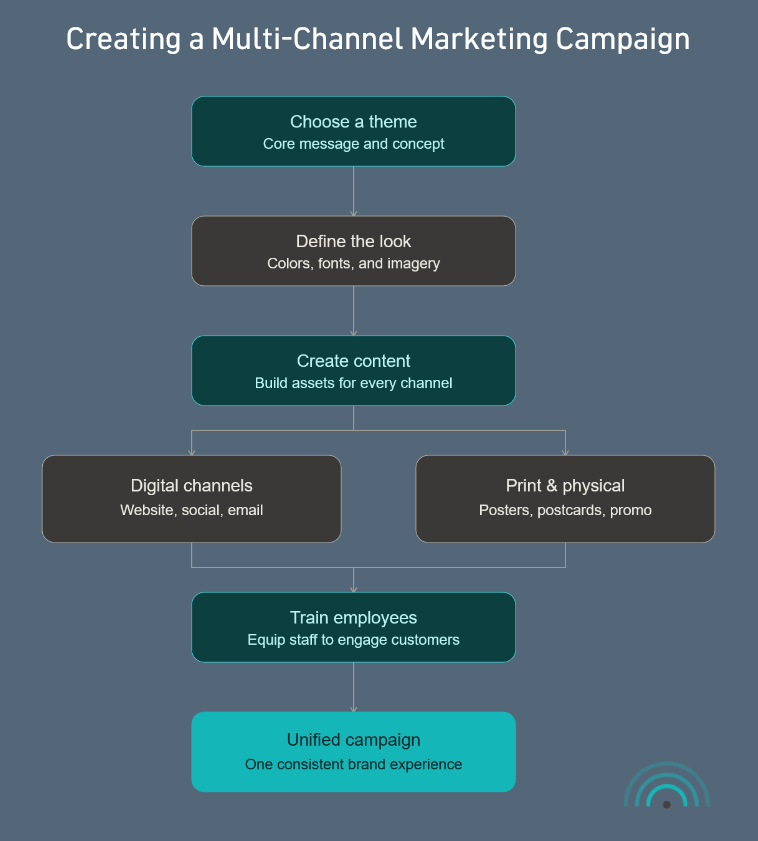
Coordinated a multi-channel automotive sales campaign, guiding customers through a logical journey and kept employees informed so they could effectively serve customers.
- Role: Marketing Specialist
- Organization: Korum Automotive Group
- Timeframe: 2012-2014
- Project type: Professional project
- Primary focus: Visual design, marketing campaign design, multi-channel marketing
- Tools used: Adobe Photoshop, HTML, VinSolutions CRM and website, Facebook
Where This Was Used
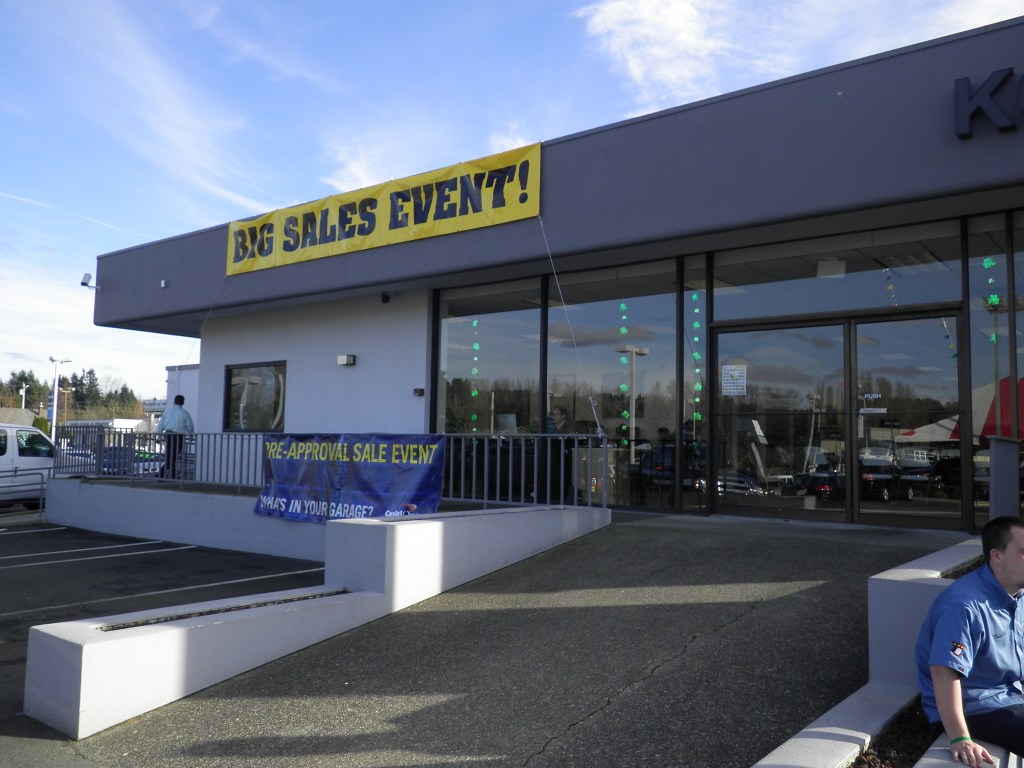
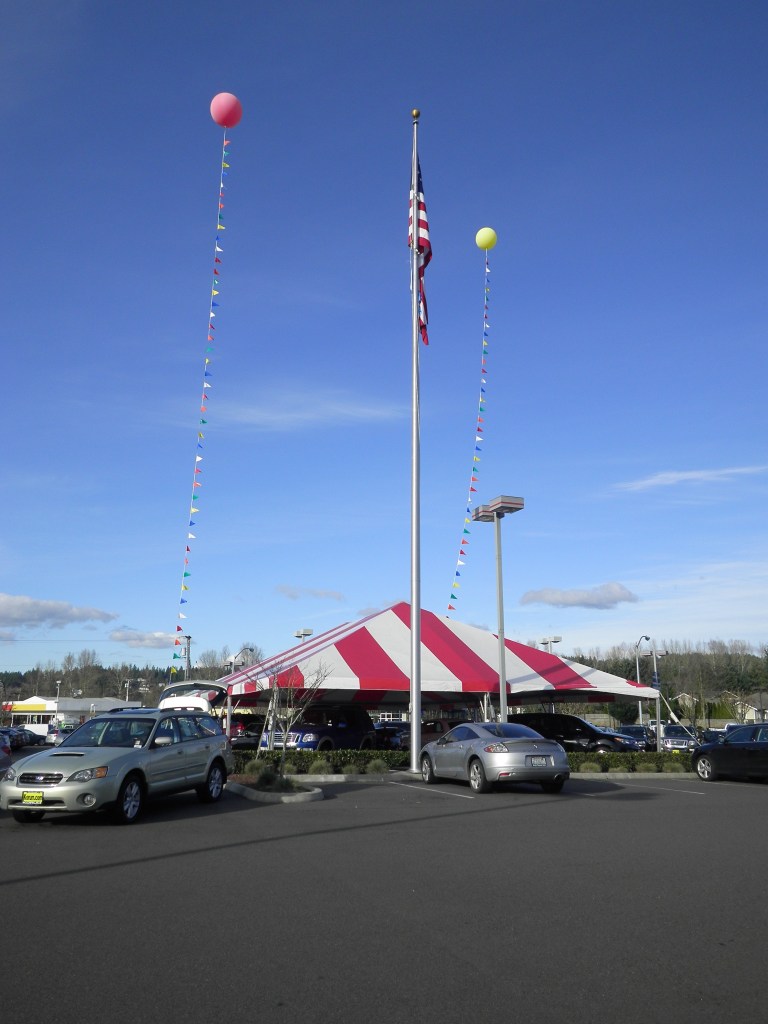
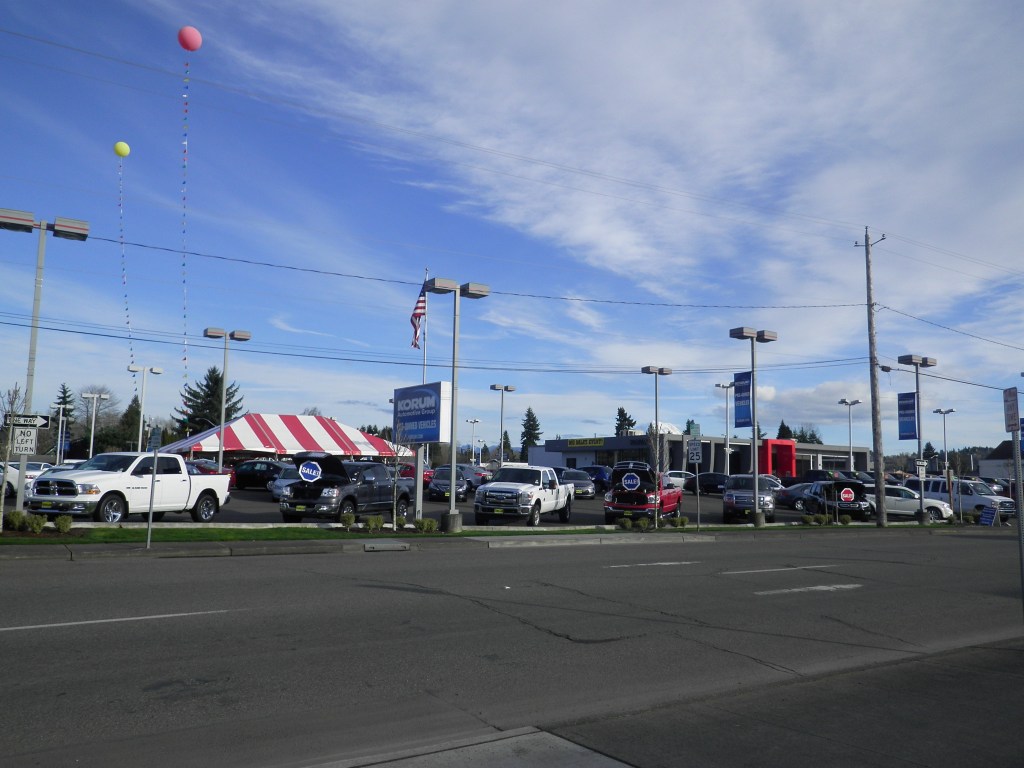
This specific campaign was for a big tent sale at an automotive dealership.
What I Created
For this campaign, I used the same designs our newspaper ad designer had used, which was bright, bold tent sale imagery. That way, our audience would have a cohesive experience, immediately identifying the coordinating designs for this campaign.
This campaign combined traditional and digital marketing into a single coordinated customer experience.
Digital
- Homepage website banner
- Dedicated landing page
- Email marketing campaign
- Facebook posts
- Facebook advertising
- Vehicle category landing page links
Traditional Media
- Television commercial
- Newspaper advertisements
- Dealership signage
- Tent sale promotional materials
Internal Communication
- Printed newspaper advertisements distributed to each dealership location
- Sales and management campaign updates
- Event reference materials for customer-facing employees
Why I Created It
I created a cohesive, multi-channel marketing campaign to create a clearly defined pathway through the customer journey.
Who I Created It For
The audience for this campaign was anyone who might be interested in purchasing a vehicle. The target was local audiences who were targeted through newspaper ads, TV commercials, social media posts and ads, and email marketing.
How I Created It
Observe
Something I’d observed when starting in marketing is how disjointed campaigns could be:
- There often wasn’t a clear path guiding the audience through a journey – the call to action or link would simply direct the audience to a home page instead of leading to a designated landing page.
- Employees were often left out of the loop, looking clueless when customers would inquire about a campaign and making customers lose trust in the company.
- Campaigns lacked a cohesive design and message, using drastically different imagery for a single campaign.
I wanted to ensure my marketing campaigns felt cohesive and that employees were informed.
Understand the Goal
The goal was to create a logical pathway, guiding customers to view vehicles on the website, and ideally come to the dealership and purchase a vehicle.
Remove the Friction
One of the easiest ways I removed friction was by creating a clear pathway for customers using coordinating imagery and a landing page to provide them easy access to the sale information.
I also printed poster-sized copies of our newspaper ad and personally delivered stacks of them to each of our four stores to ensure the sales team knew exactly what was included in the ad and so they’d be prepared if a customer inquired about a vehicle they’d seen in our ad.
Design for People
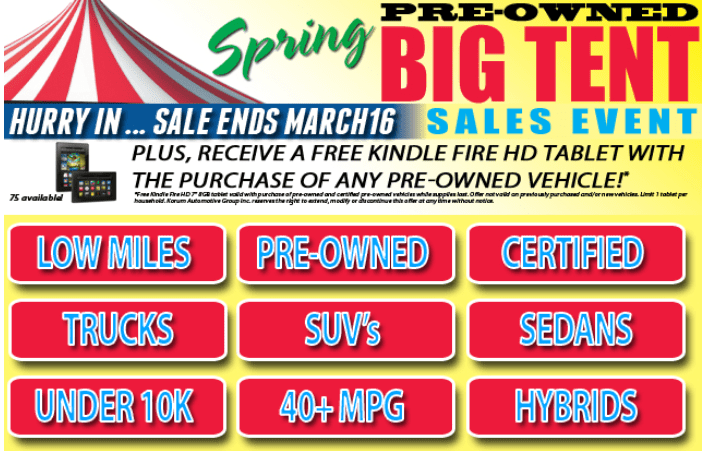
Beyond creating a clear journey for customers, I also built our event landing page and email page to include links based on popular categories to make it even easier for them to find what they were looking for. This included categories such as new, pre-owned, under 10k miles, trucks, SUVs, and 40+ MPG. This saved visitors from having to filter these results themselves.
Evaluate Results
The success of this campaign could be measured through various metrics – social media views and clicks; website visits to specific pages; email open and click-through rates; dealership in-store traffic, leads, and sales; reviews left on review sites; and employee feedback.
Refine & Improve
Every campaign taught something new, like how creating categories on the landing page and email marketing to make shopping easier was helpful for customers, so it was helpful to document each event as a resource to see what had been done in the past, what was successful, and what could be done differently in future campaigns.
What It Accomplished
This tent sale is just one example of a multi-channel marketing campaign, but the result was a cohesive event where customers were guided through a journey and employees were informed and helpful.
Consistent Branding
Every campaign asset – from the television commercial to the website banner, landing page, email marketing, newspaper advertisements, and dealership signage – shared a consistent visual identity. Customers encountered the same event branding regardless of where they first learned about the sale.
Consistent Messaging
Every communication emphasized the same key offer: the Spring Big Tent Sales Event and the opportunity to receive a Kindle Fire HD with the purchase of a pre-owned vehicle.
More importantly, I wanted customers to move beyond simply learning about the event. By organizing inventory into intuitive categories such as Trucks, SUVs, Under $10K, and Hybrids, the campaign helped shoppers quickly narrow their options without having to navigate complex search tools. The same categories appeared on both the landing page and in email marketing, creating a seamless transition between marketing channels.
Consistent Timing
Marketing activities were carefully coordinated throughout the event. The television commercial, newspaper advertisements, Facebook advertising, social media posts, website updates, and email campaign were scheduled to reinforce one another before and during the sale, maximizing visibility while keeping messaging consistent.
Internal Communication
One principle I consistently applied was ensuring employees were just as informed as customers.
Before advertisements appeared publicly, I distributed printed copies of newspaper ads to each dealership location so salespeople and managers understood exactly what customers would be seeing. This gave employees a common point of reference and helped ensure customers received knowledgeable, consistent responses whether they arrived because of a commercial, newspaper ad, email, or website promotion.
Marketing is most effective when customer-facing employees understand the campaign as well as the marketing department does.
Explore the Project
Below are some of the assets and documentation from this event.
Campaign Overview Documentation
For each of our events, I’d create an overview documenting all of our marketing efforts with examples of the ads we ran. This was provided to dealership leadership, saved to our marketing drive, and a printed version was stored in a marketing binder for future reference.
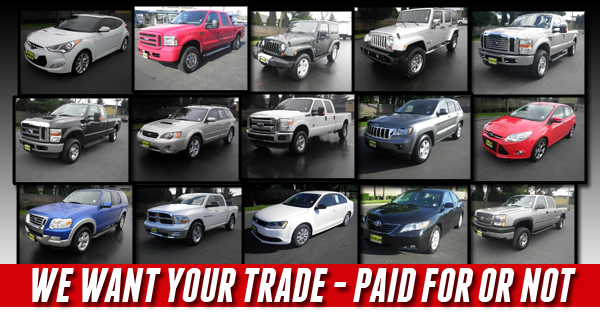
Facebook Ads
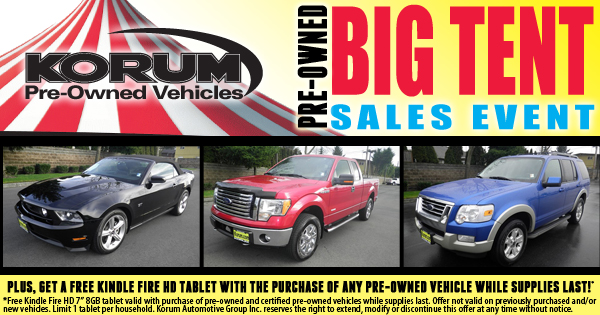
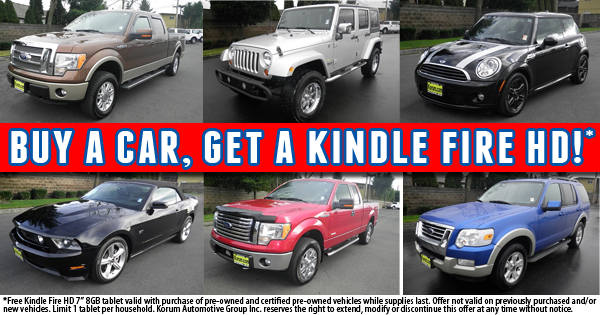
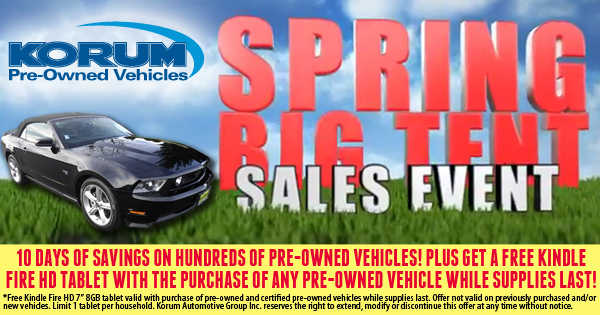
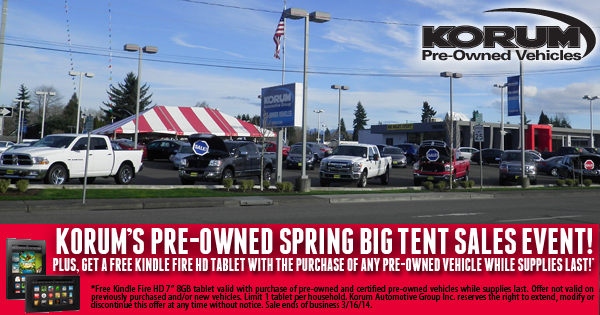
Facebook ads aligned with our newspaper ad and TV commercials and targeted people age 21+ who lived within 50 miles of the dealership.
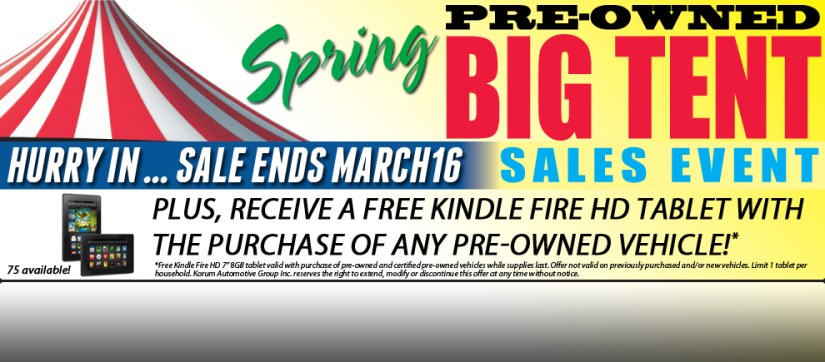
Homepage Banner & Landing Page
A homepage banner would direct anyone visiting our homepage to the event landing page.
Design Insight: Instead of directing every visitor to a general inventory page, I organized vehicles into common shopping categories such as Trucks, SUVs, Under $10K, and Hybrids. This reduced the effort required to find relevant vehicles and created a consistent experience between the email campaign and landing page.
Event Setup Photos