Project Preview
Applied Lean Manufacturing principles to redesign operational workflows, improve efficiency, and standardize processes while helping lay the foundation for more consistent day-to-day operations.
- Role: Operations Support & Process Improvement
- Organization: Baden Sports
- Time frame: 2007 – 2008
- Project type: Internal business project
- Primary focus: Process improvement, Lean Manufacturing, workflow optimization
- Tools used: Lean manufacturing principles, process mapping, Microsoft Office, cross-functional collaboration
Where This Was Used
This project took place when I worked at Baden Sports, a sporting goods manufacturer. I’d been working there as a sales assistant for several months when I had the opportunity to join the operations team and take part in a lean manufacturing implementation initiative, working closely with the Operations Manager.
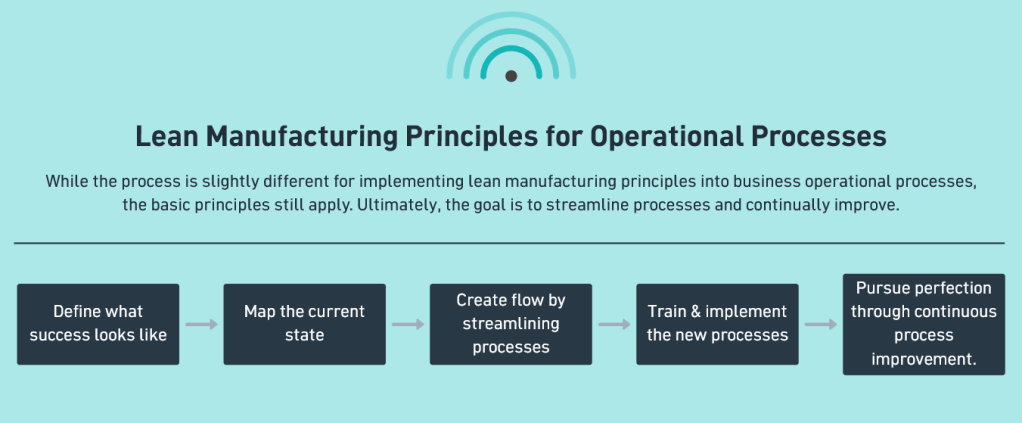
I’d studied lean manufacturing in grad school and had implemented some lean processes at jobs prior to this, but I had never been part of implementing it company-wide. I was excited to apply the concepts I’d learned in a real manufacturing environment where I could make a significant impact.
What I Created
The solution consisted of a variety of deliverables, ranging from physical procedural manuals to in-person training sessions.
- 118-page processes and procedures manual
- Process documentation
- Workflow analyses
- Process maps
- Lean improvement recommendations
- Standardized operational procedures
- Cross-functional process improvements
- Operational documentation
- Various training sessions and workshops
- Continuous improvement initiatives
Why I Created It
The whole reason for this project was because the company ultimately wanted to improve operations to make processes more streamlined and implement new technology that had become available. As a best business practice, it’s important to do this periodically to find room for improvements as new tools are created and business practices evolve,
Who I Created It For
This was created for the employees at Baden Sports, so they could work more efficiently, following processes that used available technology and made more sense. These internal improvements also had an impact on customers, since orders could be processed more quickly and safeguards were put in place to ensure no orders got missed.
How I Created It
Observe
The process began with observing company operations and documenting every role at the company, and building an understanding of how all the moving parts fit together. We’d originally tasked employees with documenting their own processes, but it’s easy for steps to get missed when it’s something you do all day, and sometimes people aren’t the best at explaining how they do things – they just do it.
To guide the process, I sat with my coworkers while they worked to get a better understanding of what they did, like they were training me to fill in for their role. Watching people perform their daily responsibilities often revealed opportunities that weren’t obvious from written procedures alone and it gave them the opportunity to share frustrations with processes that they wouldn’t have written in their instructions. It also exposed areas where employees had their own ways of doing things, which wasn’t necessarily wrong, but it created inconsistent experiences for customers and didn’t follow the processes the manager was expecting to be followed.
Understand the Goal
The ultimate goal was to remove unnecessary steps – both figurative and literal steps – so company processes would be more streamlined, orders would be processed in a more logical way, employees wouldn’t be doing duplicative work, and customer satisfaction would be increased.
The goal was not to eliminate any employees, it was to improve their work environment and enable them to do more meaningful work with less frustration and more order. It was to improve the entire process so information moved more efficiently between departments, making processes easier to follow, easier to teach, and more consistent over time.
Remove the Friction
After observing and documenting processes, it became quite obvious where many improvements could be made. Many of the processes had been created years prior and were not updated when new technologies became available.
Initially, there was a lot of pushback and concern, which is normal when employees learn about upcoming changes. Many had worked there a long time and felt comfortable with how they worked. So a big part of this implementation process was to really listen to employees, document what worked well and what challenges they had, and work together so they felt assured that they were being listened to and that the changes would be beneficial for everyone.
Design for People
The best processes are the ones people naturally want to follow. I focused on creating improvements that fit the way employees actually worked rather than expecting employees to adapt to complicated procedures. I also had noted any complaints or concerns employees had mentioned during my documentation process, so I focused on alleviating those things when revising processes.
Evaluate Results
Since I had worked closely with my coworkers and listened to their perspectives, adoption came quite easily. For those who had shared complaints or concerns about their original process, I would point out the changes we had made to address those concerns. I wasn’t just forcing new processes on them, I had listened to what they said, took their feedback into consideration, and revised the process based on what they had shared with me.
As a result, successful improvements became part of the team’s everyday workflow. Standardization helped create more predictable results while making future training and knowledge transfer easier. Operations ran more smoothly and customers received their orders in a timelier manner. Everyone won.
Refine & Improve
Lean Manufacturing taught me that process improvement is never truly finished. Every improvement creates an opportunity to observe again, learn more, and continue refining the system. Although we put a lot of thought and effort into updating and streamlining processes, they were not set in stone and would benefit from being reviewed and revised periodically to find opportunities for improvement.
What It Accomplished
This initiative helped establish more consistent operational processes while reinforcing the value of continuous improvement throughout the organization.
The project contributed to:
- More standardized workflows
- Reduced process variation
- Better operational consistency
- Improved communication between departments
- Easier knowledge sharing
- Greater awareness of Lean principles within daily operations
Perhaps more importantly, it shaped the way I think about solving problems. Rather than accepting inefficiencies as “just the way things are,” I learned to view every workflow as something that could be observed, questioned, and thoughtfully improved.
Explore the Project
While I cannot share my original documentation from this process due to confidentiality agreements, I’ve created representative examples of the type of work I did during this initiative.
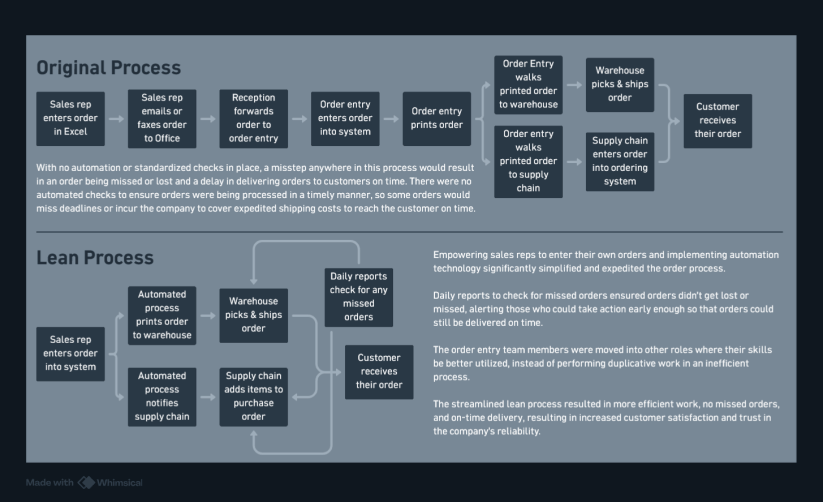
Example Before and After Sales Process
This diagram illustrates an example of an inefficient sales process and how it could be improved.
- The original process had duplicative steps, required physical handoff of paperwork that could result in delays or lost orders, and there were no guards in place to ensure all orders were received and processed in a timely manner.
- The lean process empowered employees to use tools more efficiently, incorporated new automations to reduce time between order entry and processing, and added safeguards to ensure nothing was missed.
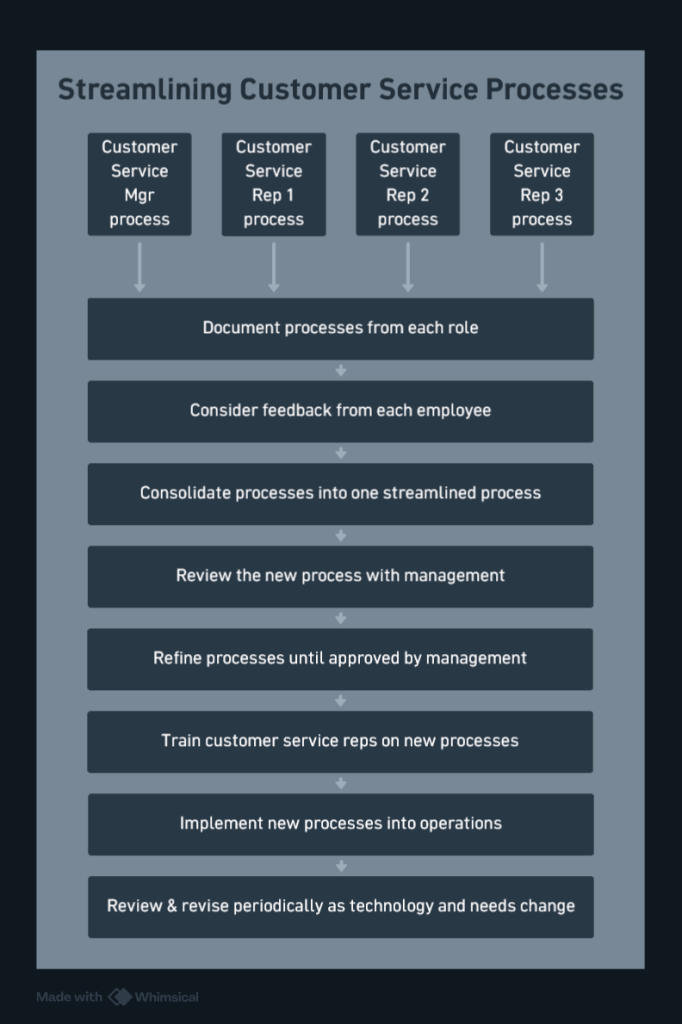
Example Customer Service Process Improvement
This diagram illustrates an example of how customer service processes can be streamlined.
Challenge: Over time, customer service representatives have developed their own processes. They still follow general guidelines, but handle cases differently so there’s a lack of consistency.
Approach: The solution isn’t to just create a whole new process and force the customer service reps to accept and follow it. There’s a reason why they each developed their own ways of doing things, they’re the experts on their roles, they will be the ones following these procedures, so it’s imperative to understand not only how they do their jobs, but also why they’ve changed their process.
Solution: To resolve this, processes from each customer service rep and their manager were documented, feedback from each employee was considered, and the processes were consolidated into one singular, streamlined process. That new process was reviewed with the manager to ensure it aligned with how she wanted her department to run, the processes were refined, and finally approved by the manager.
The customer service reps were then trained on the new processes to ensure they understood expectations and had an opportunity to ask questions. The new processes were then implemented, and as the customer service reps followed the new procedures, they were given the opportunity to provide feedback so future revisions could be made if necessary.
Result: As a result of this process, the customer service reps felt heard, the manager regained control over how the department operated, processes were more streamlined, and opportunities to continually refine and improve were created so the department didn’t go back to everyone having their own ways of doing things. It was a win for everyone.