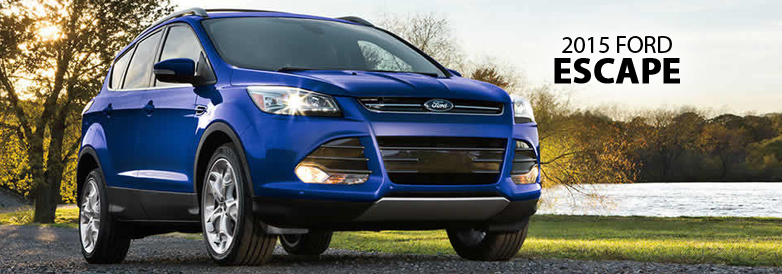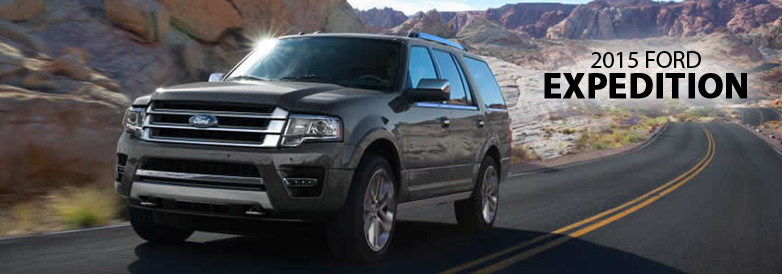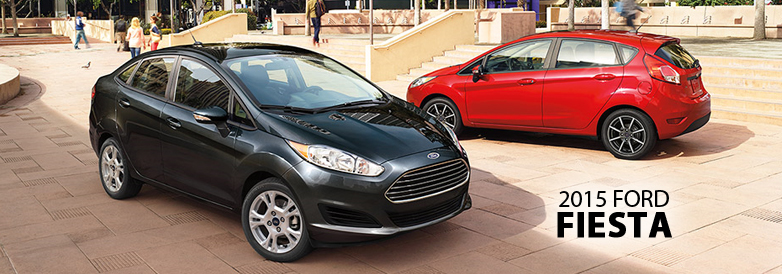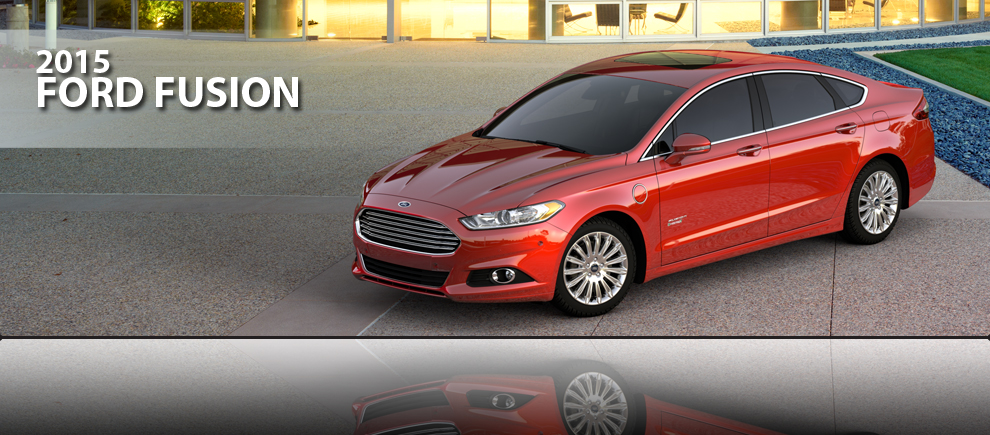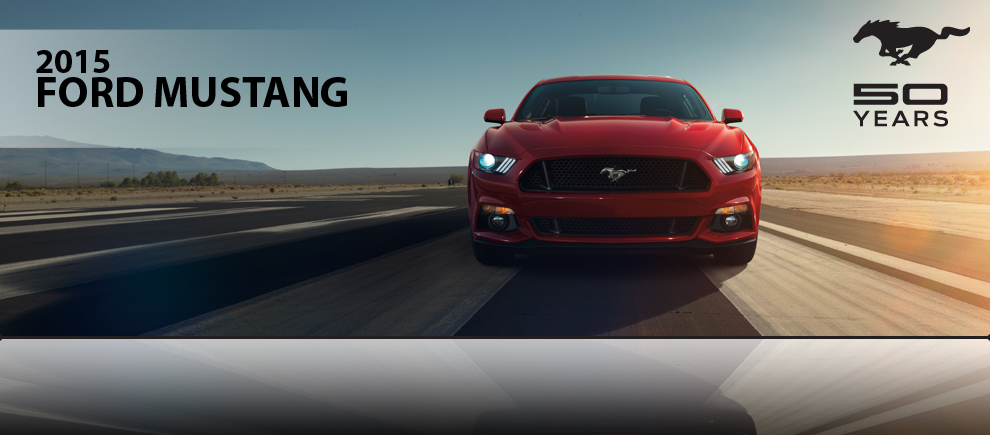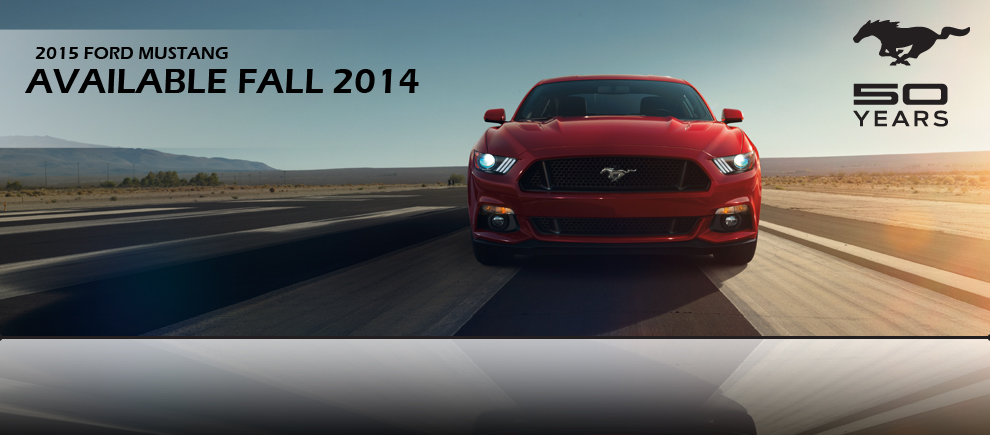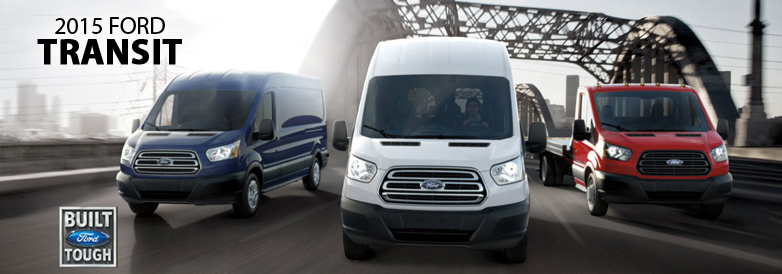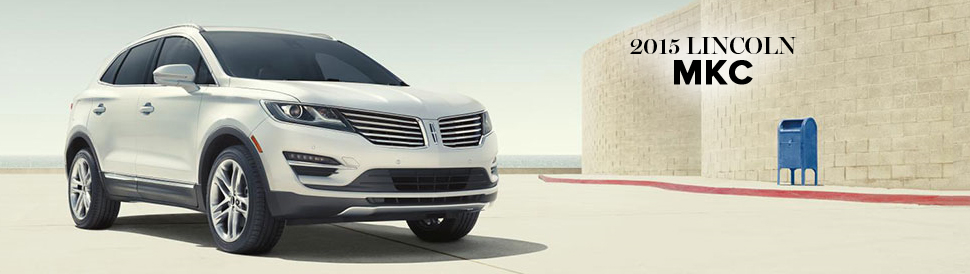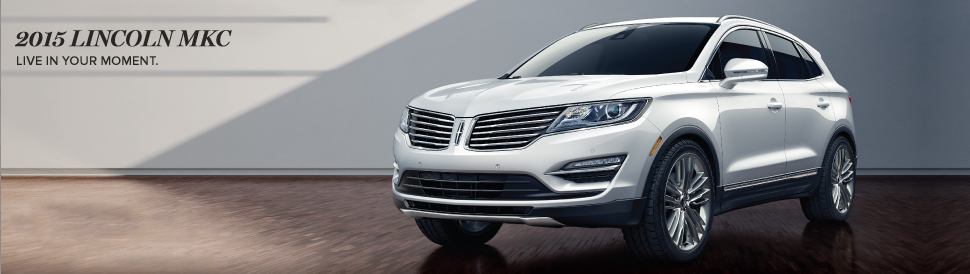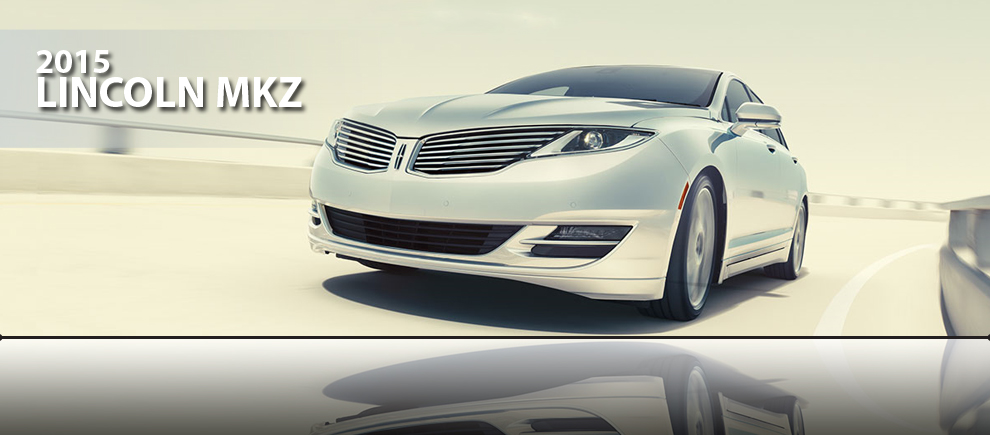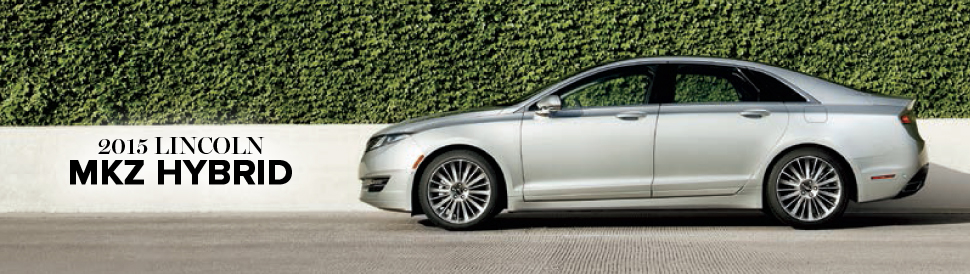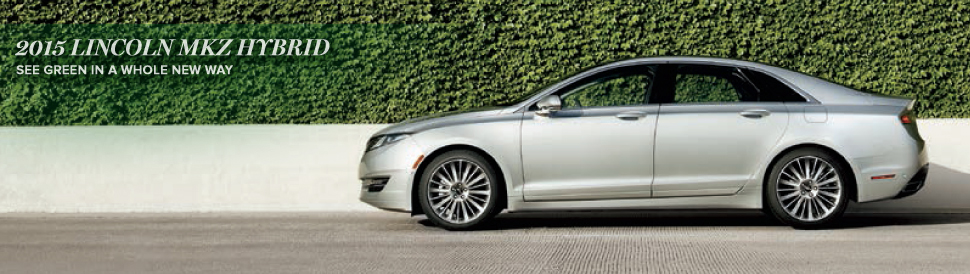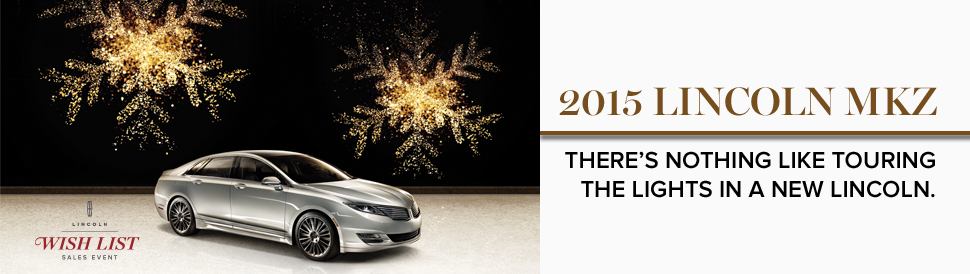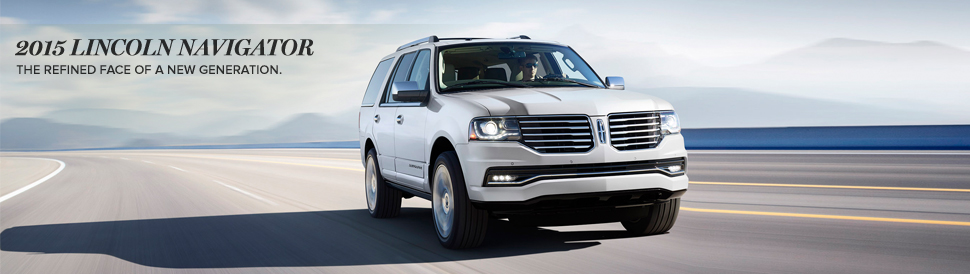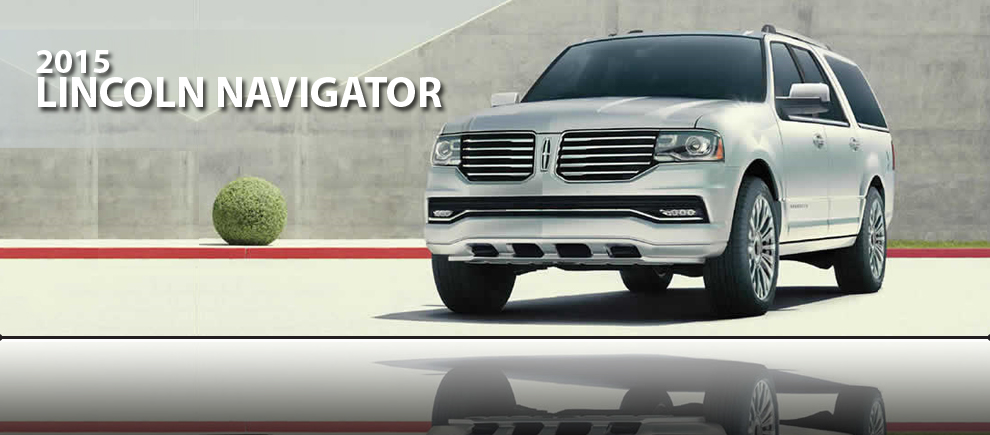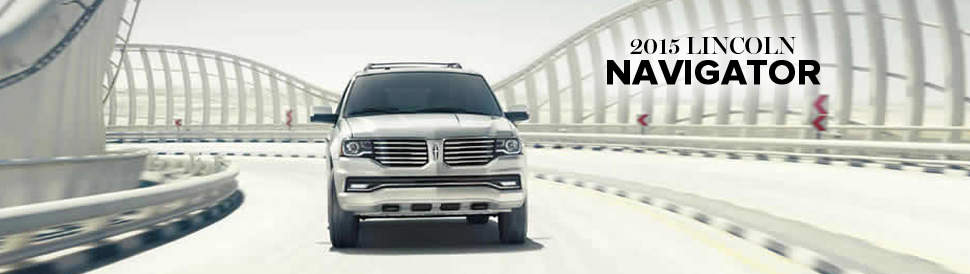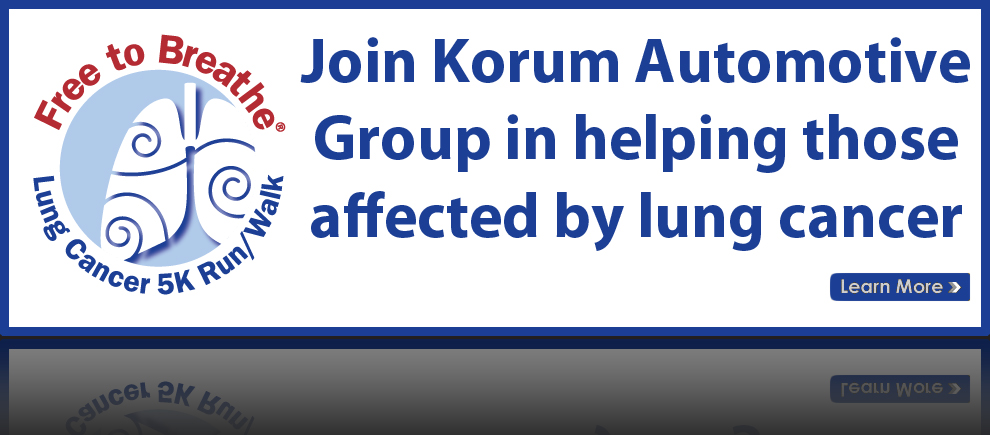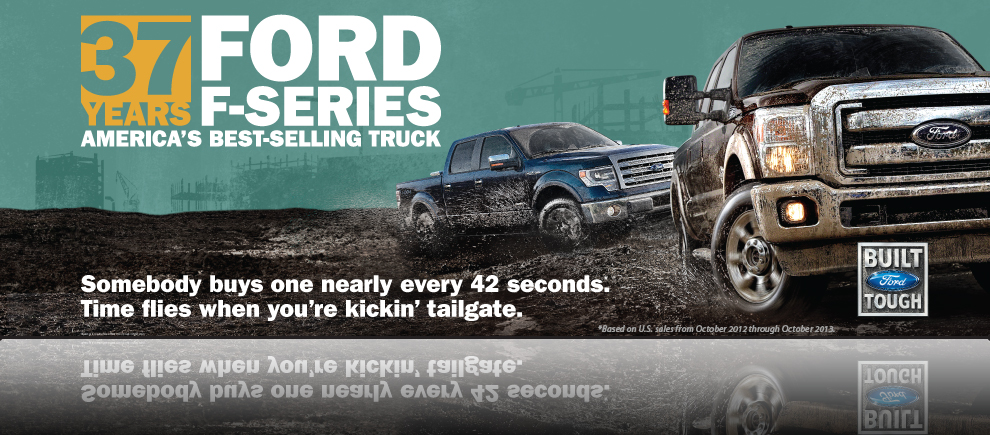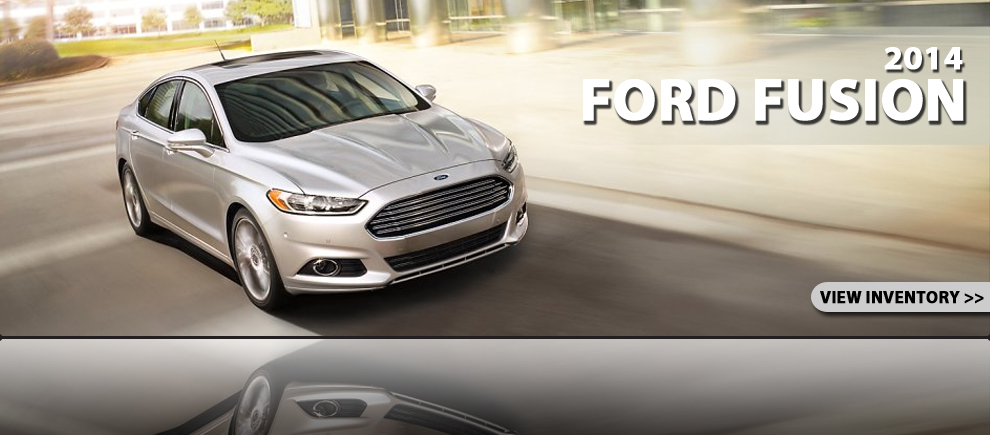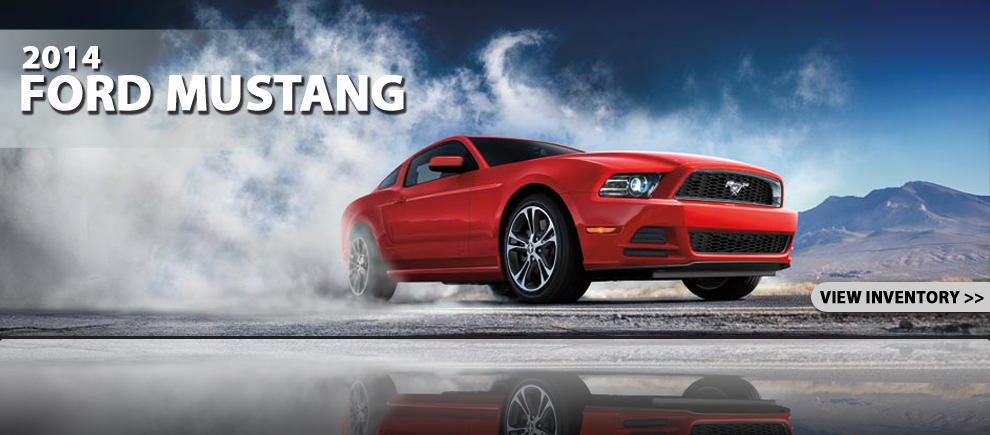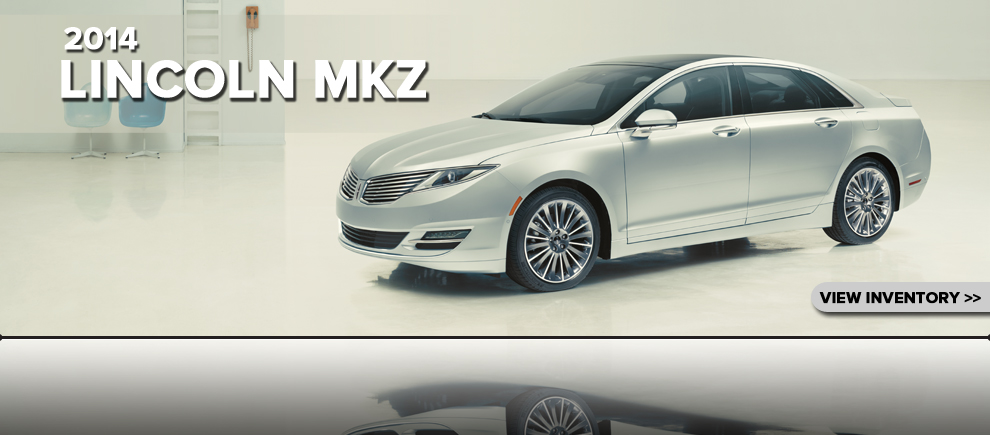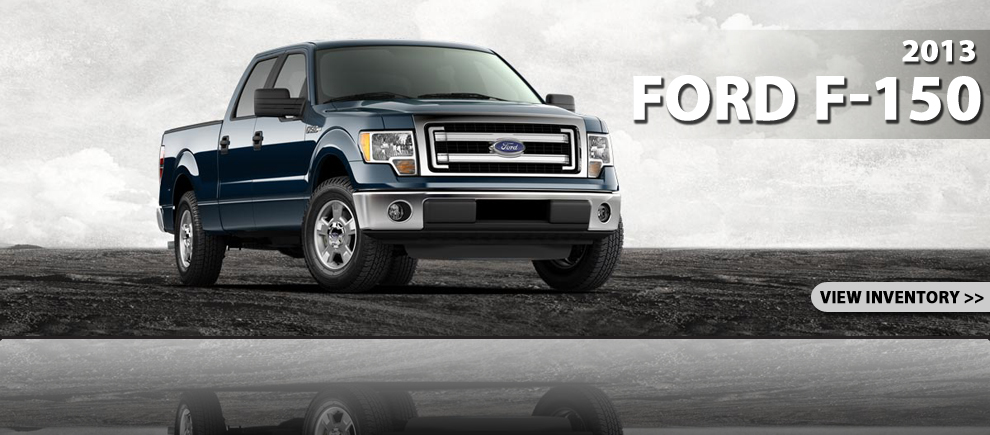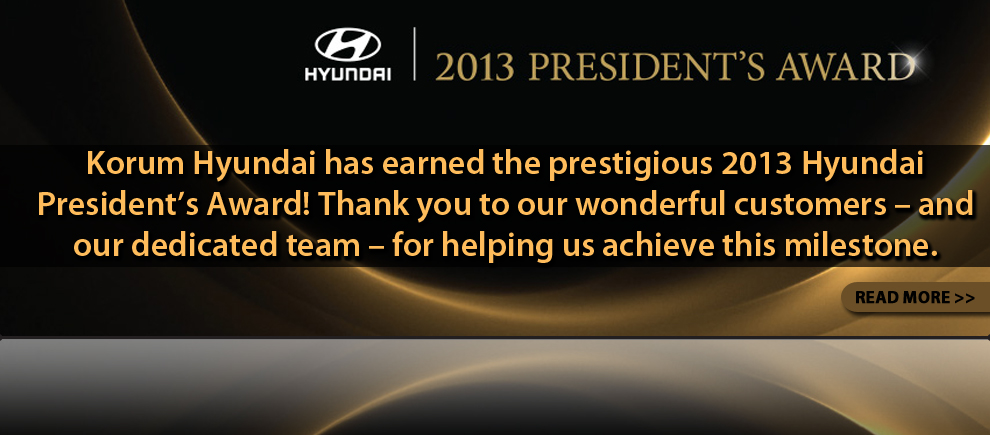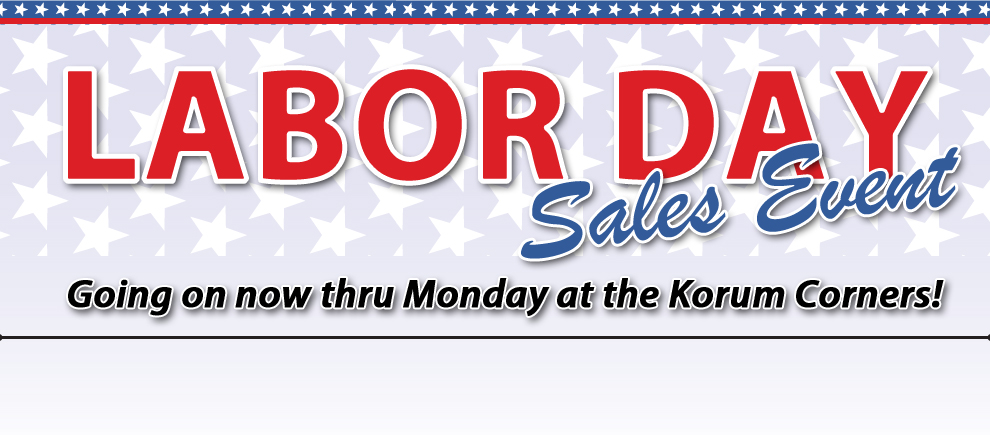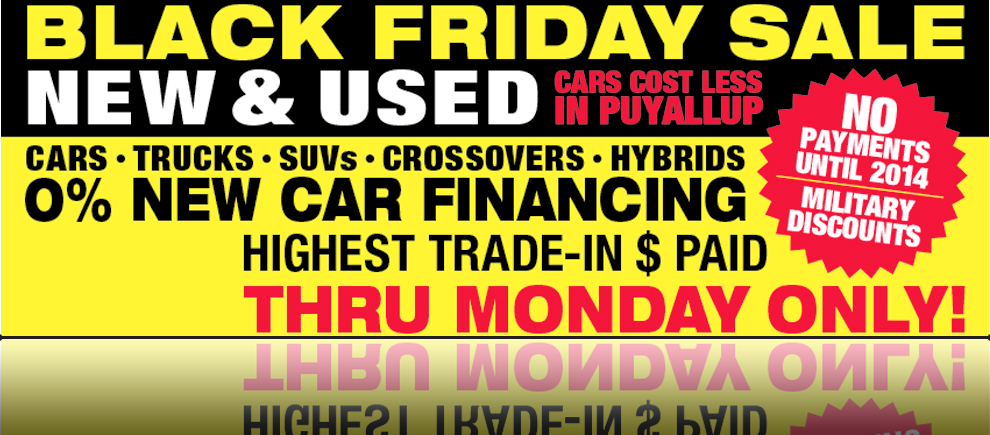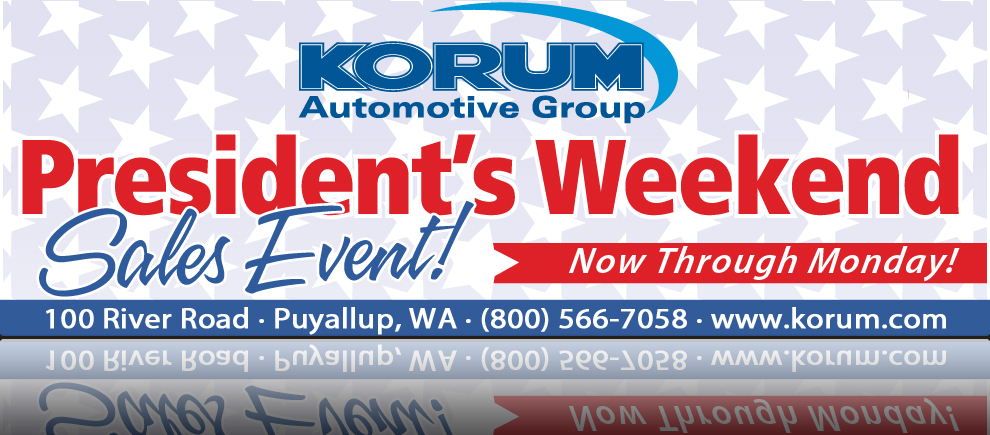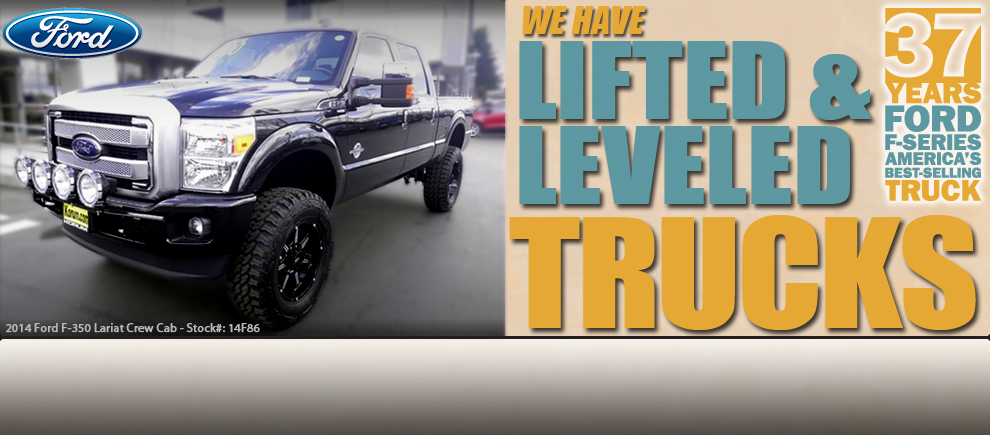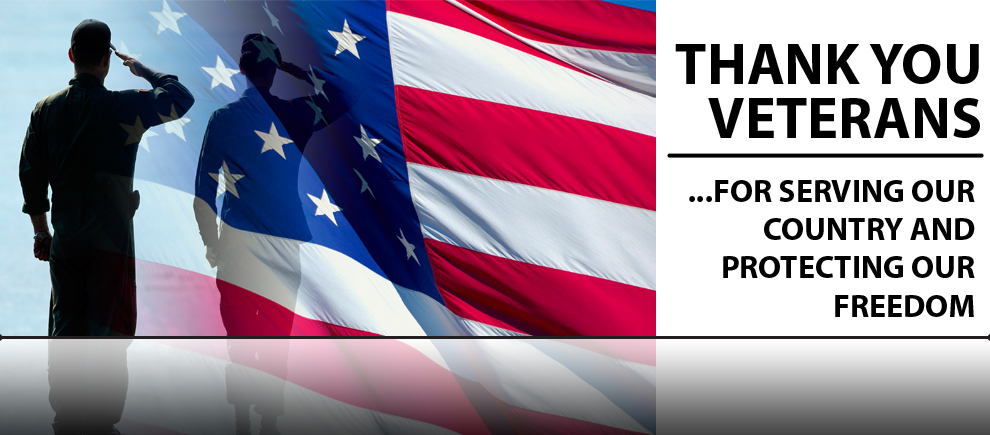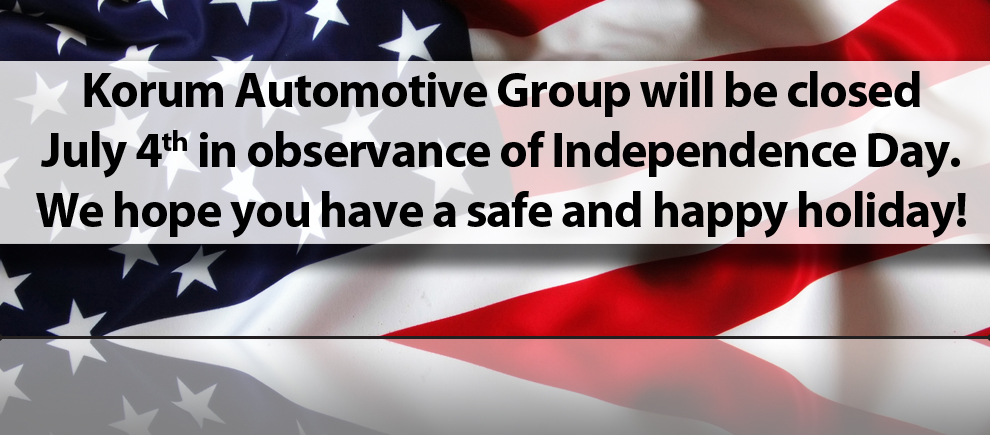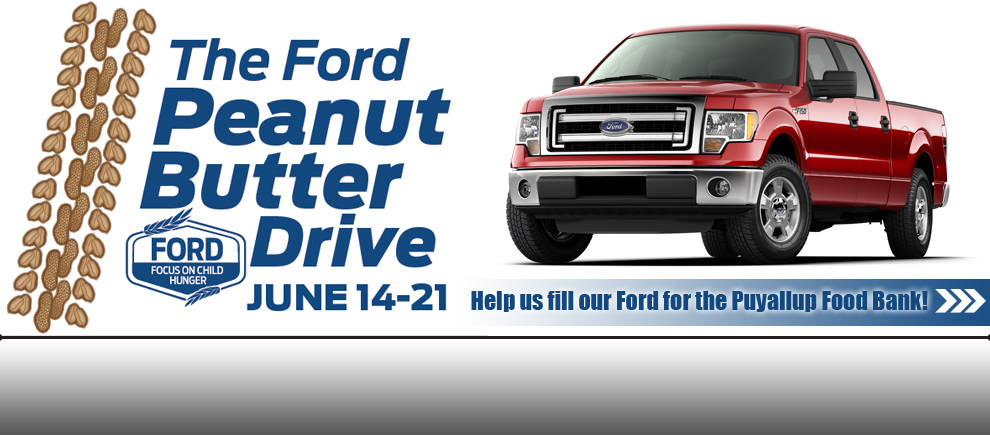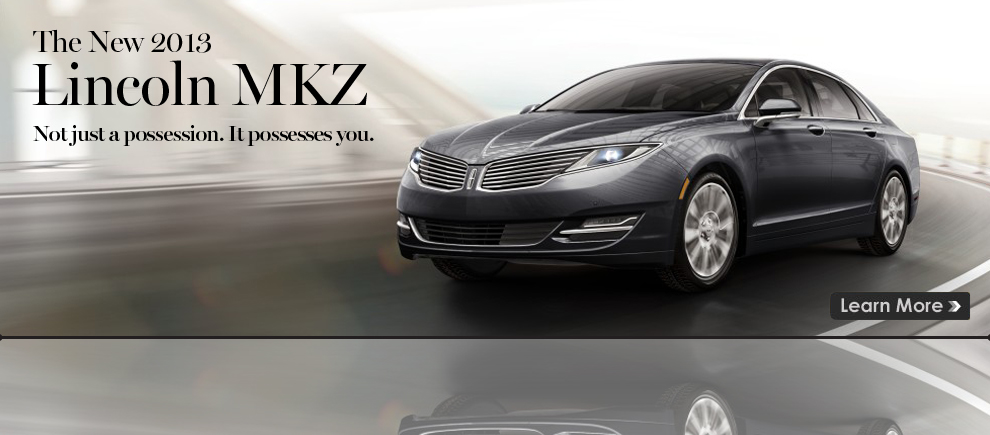
Designed compliant website banners and coordinated digital marketing assets that supported dealership campaigns while creating a consistent customer experience across multiple marketing channels.
Project Snapshot
| Organization | Korum Automotive Group |
| Role | Marketing Specialist |
| Timeframe | 2012 – 2014 |
| Primary Focus | Digital marketing, visual design, brand compliance, campaign consistency |
| Audience | * Vehicle shoppers * Dealership customers * Marketing department * OEM brand representatives |
| Deliverables | * Homepage website banners * Campaign graphics * Promotional landing pages * Marketing emails * Website documentation * Design templates |
| Tools | * Adobe Photoshop * Website Content Management System * Automotive CRM platform * OEM brand assets |
The Challenge
Managing website content for a multi-brand dealership group involved far more than creating attractive graphics. Every banner needed to comply with strict manufacturer (OEM) brand standards governing fonts, imagery, logo placement, legal language, and messaging. Failure to meet those standards could result in failed audits or the loss of advertising reimbursement.
At the same time, dealership promotions moved quickly. Seasonal sales, tent events, manufacturer incentives, and inventory campaigns required fresh marketing materials that worked together across the website, landing pages, email marketing, and print advertising. Creating consistent customer experiences while navigating technical website limitations and brand requirements became an important part of my role.
My Approach
Rather than treating each website banner as an isolated design project, I viewed every promotion as part of a larger marketing campaign. Customers rarely interact with just one piece of marketing – they might first see a newspaper advertisement, receive an email, visit the dealership website, and eventually arrive on a campaign landing page. I wanted those touchpoints to feel connected so customers immediately recognized they were part of the same promotion.
I also looked for ways to make the design process more efficient and repeatable. Because navigation buttons covered part of the homepage banners, I created design templates that identified the “safe” areas for text and legal disclaimers. I documented banner dimensions, upload procedures, and technical requirements so future updates could be completed consistently and correctly.
Much of the artwork originated from our OEM partners or other vendors, so my role was often adapting existing assets into cohesive digital experiences while ensuring every piece remained compliant with manufacturer standards.
What I Created
- Homepage website banners
- Campaign graphics
- Promotional landing pages
- Marketing email graphics
- Website design templates
- Banner placement guidelines
- Website publishing documentation
- Cross-channel campaign assets
- Brand-compliant promotional materials
Results & Impact
This work helped establish a more consistent and organized approach to dealership marketing.
The project contributed to:
- Consistent branding across multiple dealership websites
- Improved continuity between print, email, website, and landing pages
- Faster creation of promotional campaigns
- Reduced design errors through reusable templates
- Simplified website updates through documentation
- Support for OEM compliance requirements
- Greater use of internal resources rather than outsourced design work
While many of the visual assets originated from OEM marketing materials, adapting them into effective digital campaigns required careful planning, technical knowledge, and attention to brand standards.
My Process

Observe
I noticed that marketing materials were often created independently of one another, even though customers experienced them as part of the same campaign. Technical limitations and brand standards also introduced opportunities for mistakes.
Understand the Goal
The objective wasn’t simply to design banners, it was to create marketing experiences that were visually consistent, technically accurate, and compliant across every customer touchpoint.
Remove the Friction
I created templates, documented publishing requirements, and established consistent design practices that reduced repetitive work while helping prevent compliance issues.
Design for People
Customers benefited from campaigns that felt familiar as they moved from advertisements to emails to the website. Internally, clear templates and documentation made updating the site easier and more reliable.
Measure Adoption
As campaigns became routine, the templates and documentation became part of the normal workflow, making it easier to produce consistent marketing materials while meeting tight deadlines.
Refine & Improve
Each campaign provided opportunities to improve the process. Over time I refined templates, streamlined design workflows, and developed a better understanding of OEM requirements across multiple automotive brands.
Key Takeaways
This project reinforced that effective visual design extends beyond creating attractive graphics. Every design decision should support a larger goal, whether that’s maintaining brand consistency, improving customer understanding, or helping a team work more efficiently.
It also strengthened my appreciation for designing complete experiences rather than individual deliverables. A customer doesn’t distinguish between a newspaper advertisement, an email, a website banner, or a landing page—they experience them as one journey. Creating consistency across those touchpoints helps build trust and makes the experience feel intentional.
Finally, I learned that good design often happens within constraints. Brand standards, technical limitations, and compliance requirements weren’t obstacles to creativity—they provided a framework for creating solutions that were both visually effective and operationally reliable.