
Created realistic product mockups that helped the sales team communicate design concepts more quickly, accelerating customer approvals while supporting both the sales and art departments.
Project Snapshot
| Organization | Baden Sports |
| Role | Marketing Coordinator |
| Timeframe | 2006 – 2012 |
| Primary Focus | Visual communication, product visualization, cross-functional collaboration |
| Audience | * Promotional product customers * Sales team * Art department |
| Deliverables | * Product mockups (“virtuals”) * Customer approval proofs * Design variations * Logo visualization concepts |
| Tools | * Adobe Photoshop * Product artwork * Brand guidelines |
The Challenge
Our promotional products team often worked with customers who needed custom sports balls on tight deadlines. Before production could begin, customers needed to approve artwork, colors, and logo placement. While our art department produced the official production files, they also balanced many other priorities, creating delays that made it difficult for the sales team to respond quickly.
The sales team needed realistic visual proofs that customers could review and approve without waiting for the art department’s availability. Delays meant slower response times, longer sales cycles, and an increased risk of losing orders to competitors who could move more quickly.
My Approach
Although creating customer proofs wasn’t part of my role as Marketing Coordinator, I recognized an opportunity to help. Because I already worked closely with both the sales and art departments, I offered to learn their standards and create customer-ready mockups that complemented their existing workflow.
Before creating my first virtual, I learned the production requirements behind each design. Different printing methods had different limitations for artwork size, placement, and color selection, so consistency and accuracy were just as important as speed. My goal wasn’t simply to make designs look good, it was to create realistic representations that customers could confidently approve while remaining faithful to what could actually be manufactured.
The more I understood the production process, the more efficiently I could create virtuals that supported everyone involved. Sales representatives received proofs faster, customers had clearer expectations, and the art department had fewer interruptions while focusing on production-ready artwork.
What I Created
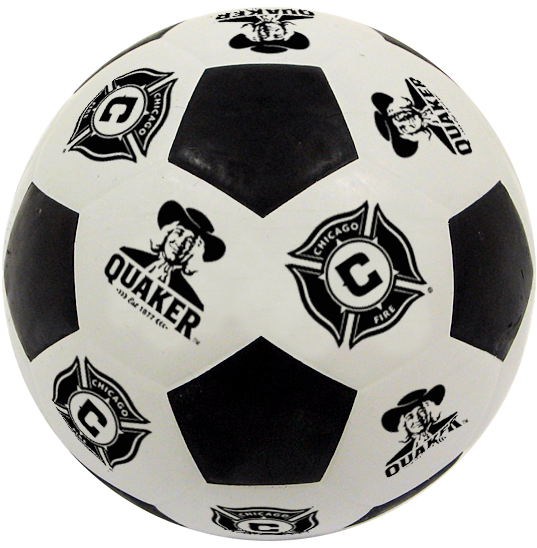
- Customer-facing product mockups (“virtuals”)
- Multiple logo and color variations
- Realistic product visualizations
- Promotional sports ball concepts
- Production-aware design proofs
- Marketing graphics supporting custom product sales
Results & Impact
While I didn’t formally track production metrics, this work became an important extension of the promotional product workflow.
The project helped:
- Reduce turnaround time for customer proofs
- Support a busy art department during peak workloads
- Give sales representatives faster access to customer-ready visuals
- Improve communication between sales, marketing, and design
- Provide customers with realistic expectations before production
- Build a scalable process that could support hundreds of custom product requests
Over time, creating these virtuals became another way I could contribute beyond my primary responsibilities while helping multiple departments work more efficiently.
My Process

Observe
I noticed that sales representatives were frequently waiting on artwork before they could move customer projects forward. The bottleneck wasn’t creativity it was capacity.
Understand the Goal
The objective wasn’t simply to create attractive mockups. It was to help customers make confident purchasing decisions while allowing the art department to focus on production work.
Remove the Friction
By learning the same production standards used by the art department, I was able to produce realistic virtuals that fit naturally into the existing approval process and reduced delays.
Design for People
The virtuals were designed for several audiences at once. Customers needed clear visual representations, sales representatives needed quick turnaround times, and the art department needed consistency with manufacturing requirements.
Measure Adoption
As more requests came my way, it became clear the process was providing value. The growing volume of virtuals demonstrated that the solution was helping teams work more efficiently.
Refine & Improve
Each project helped me become faster and more accurate. I developed a better understanding of production requirements, learned common customer preferences, and refined my workflow to deliver consistent results.
Featured Work Examples
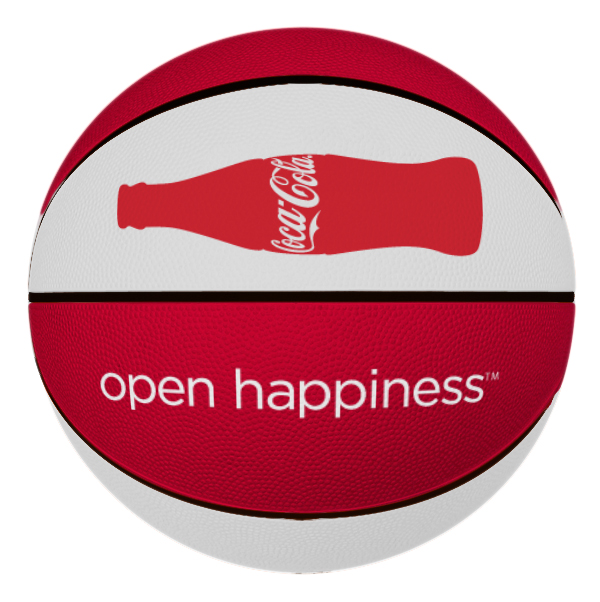
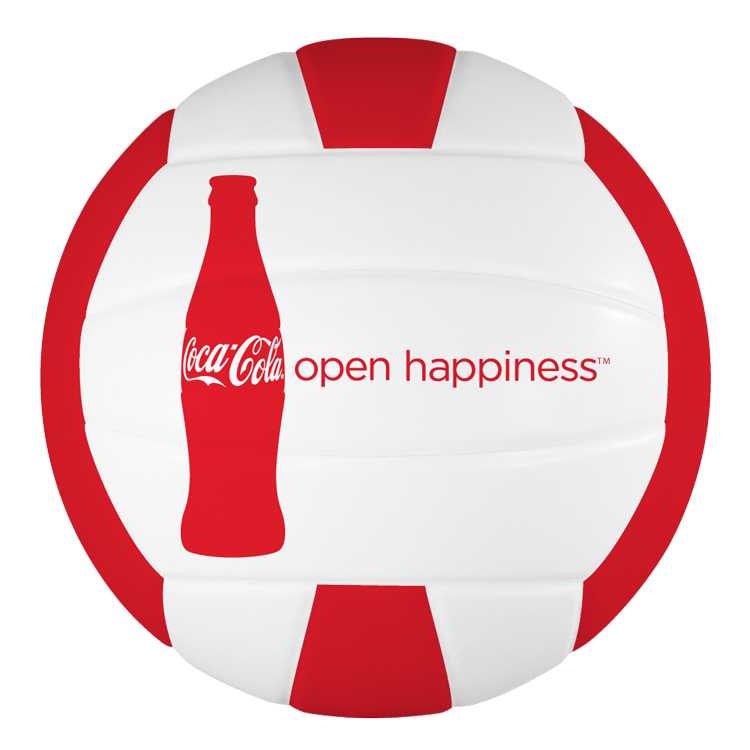
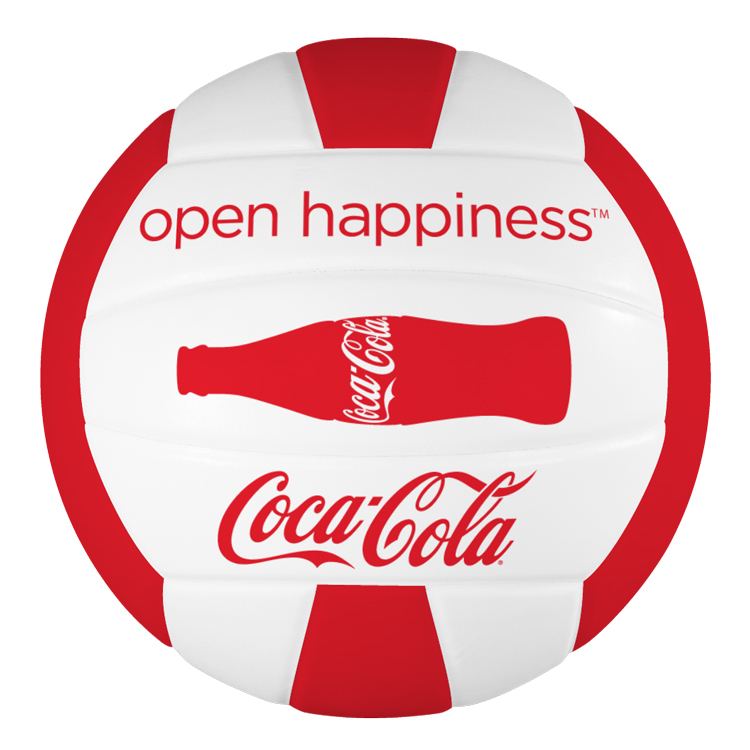
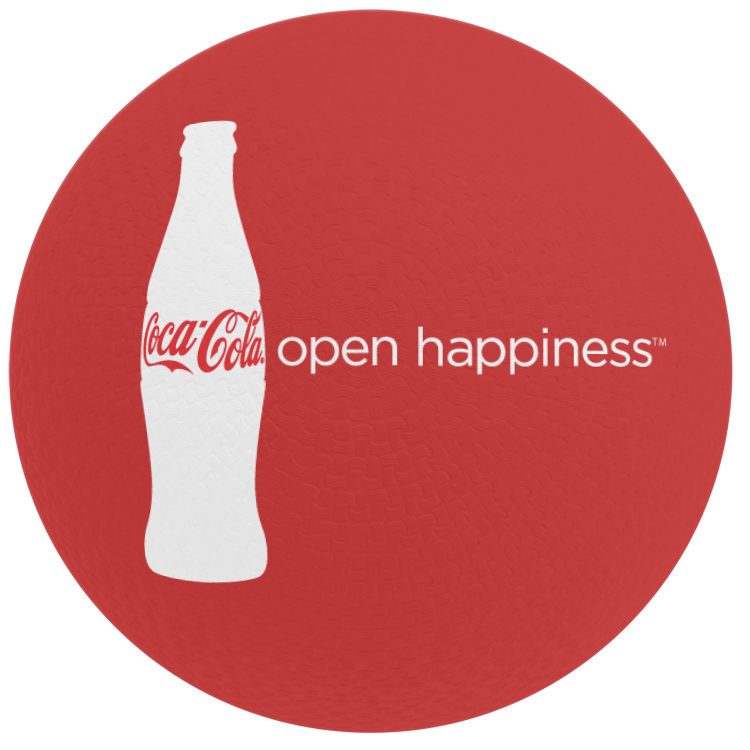
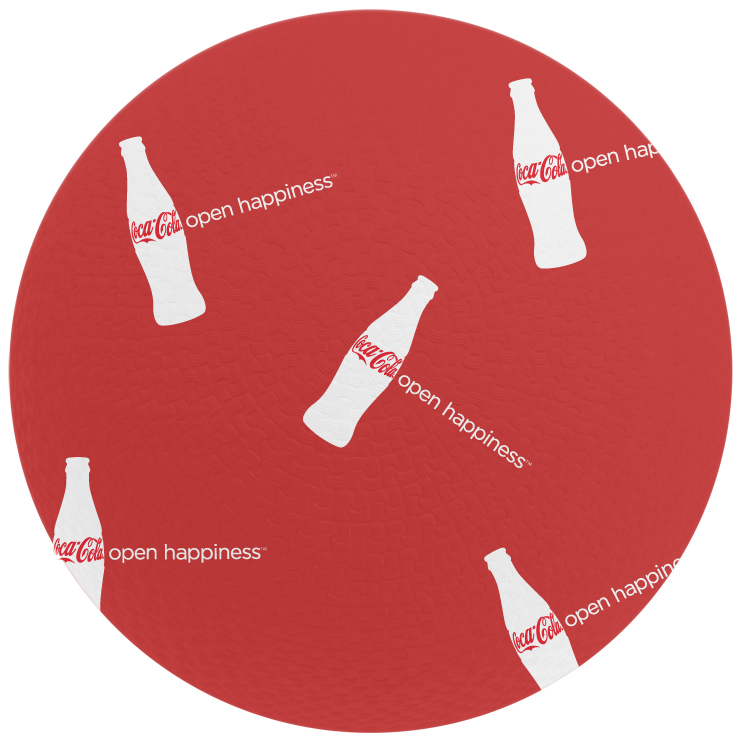
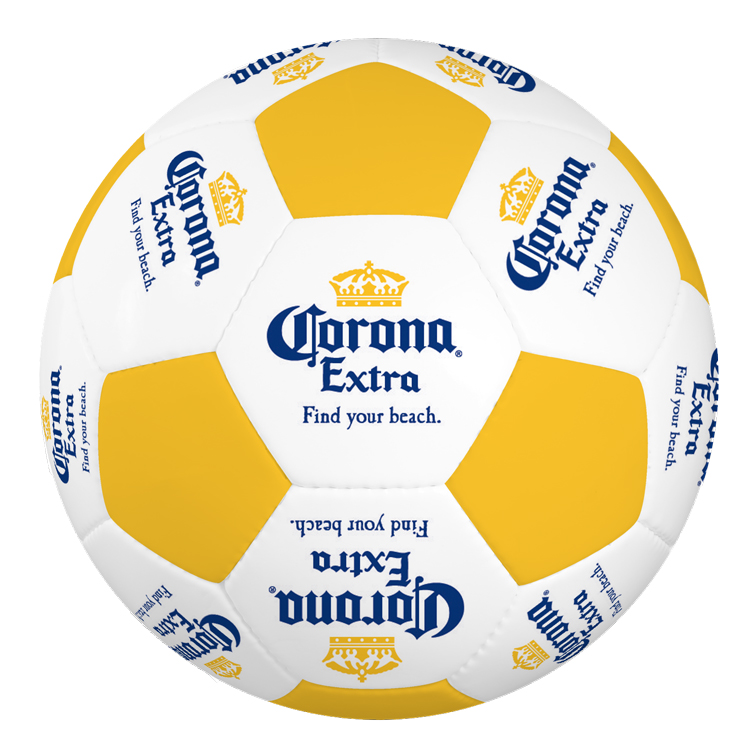
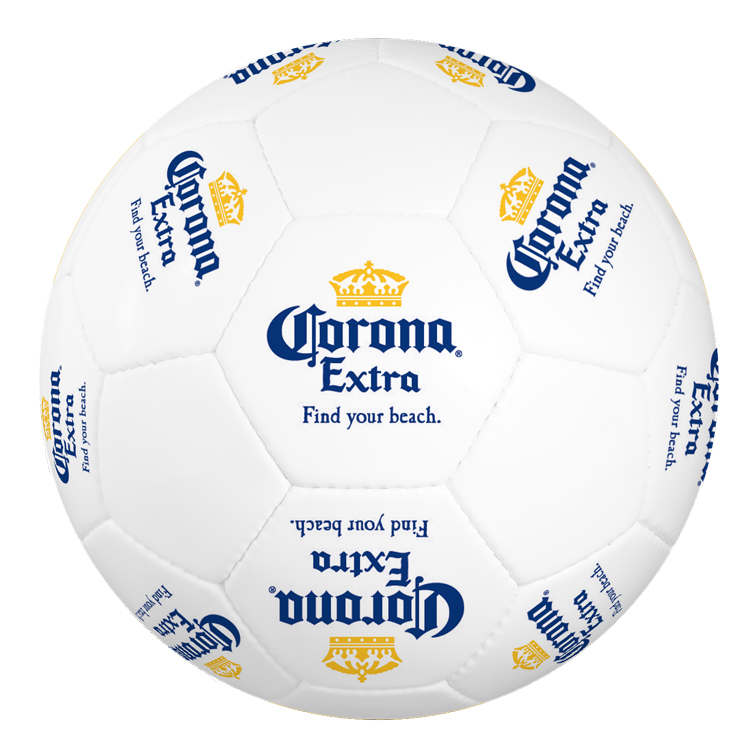
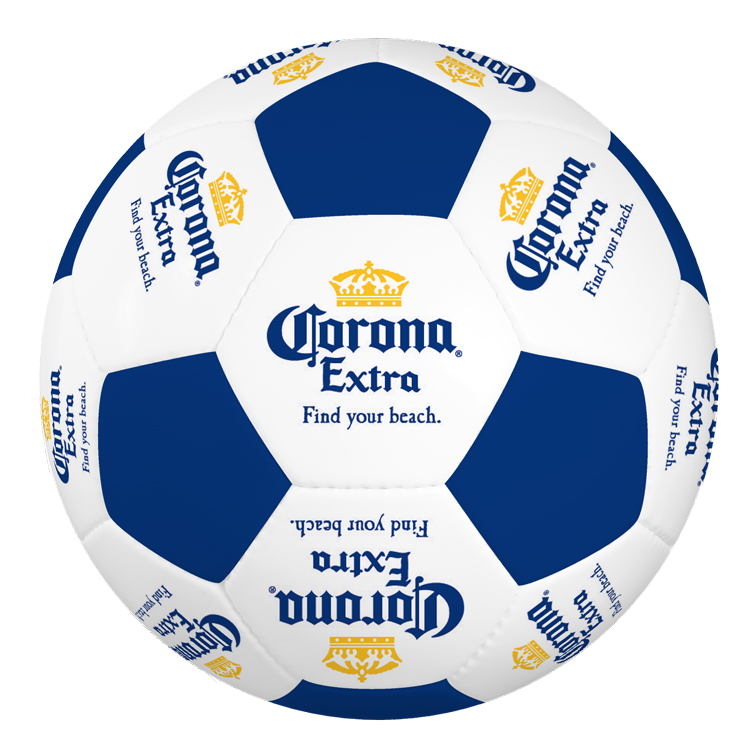
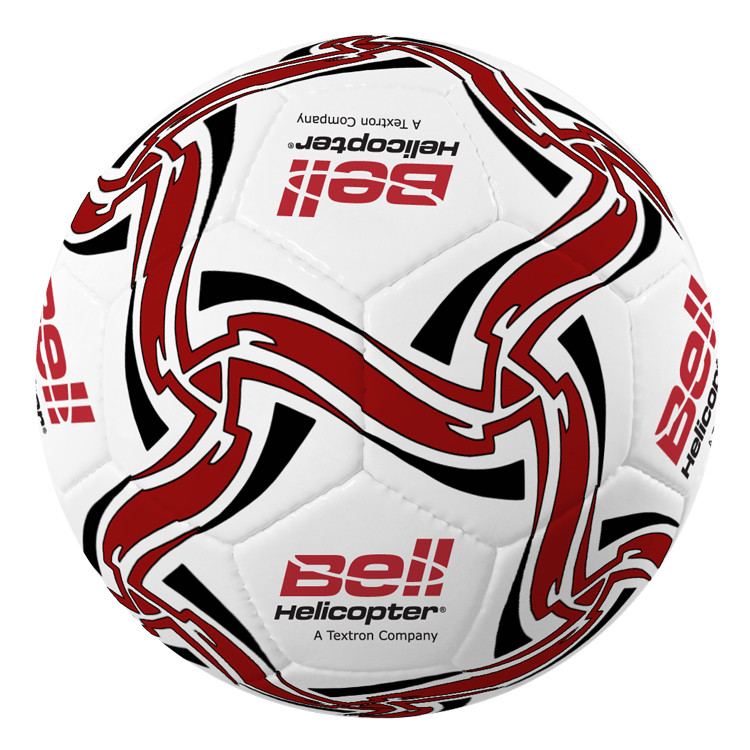
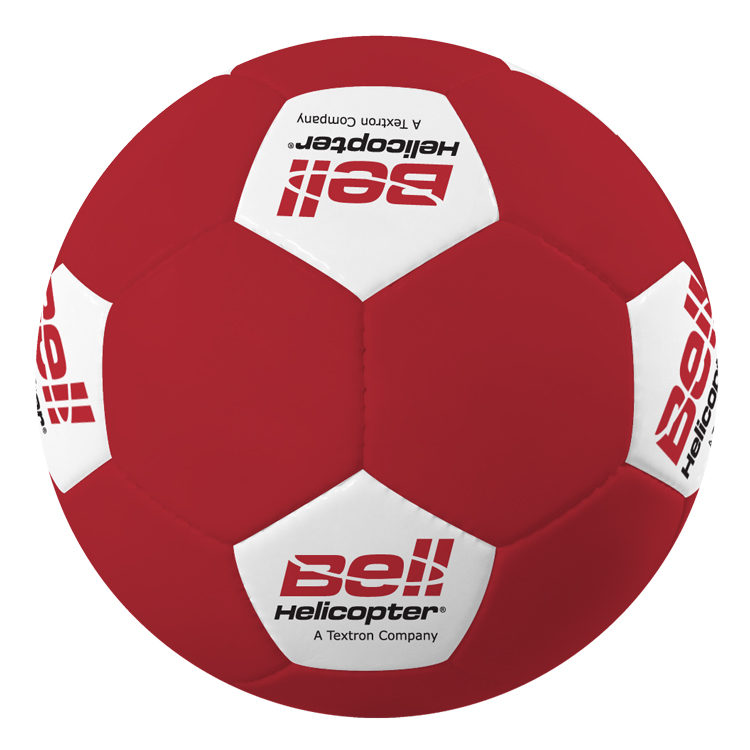
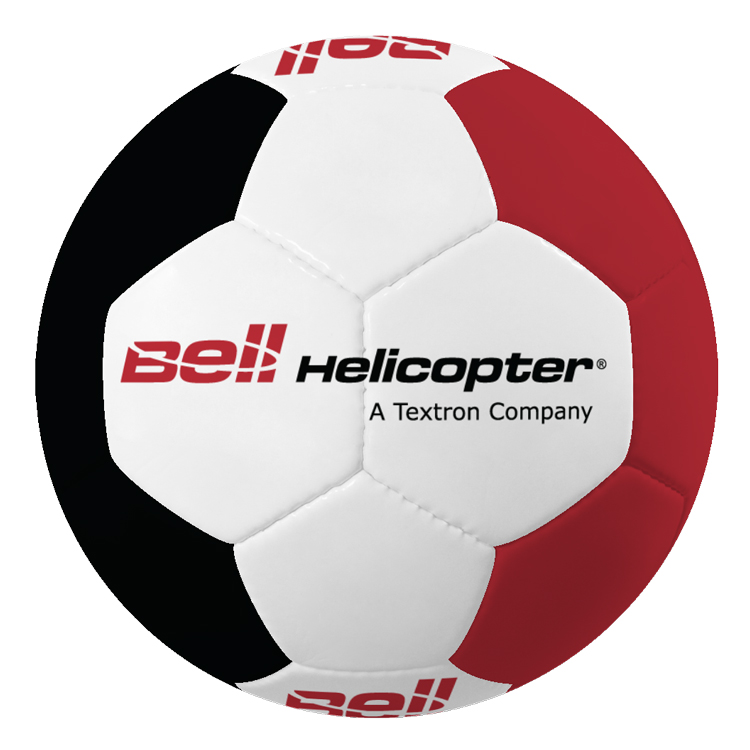
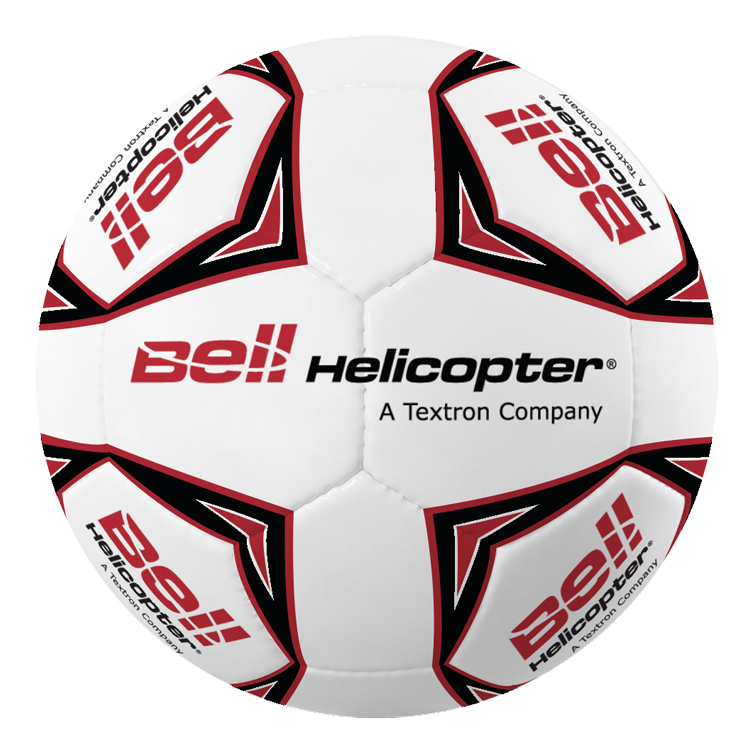
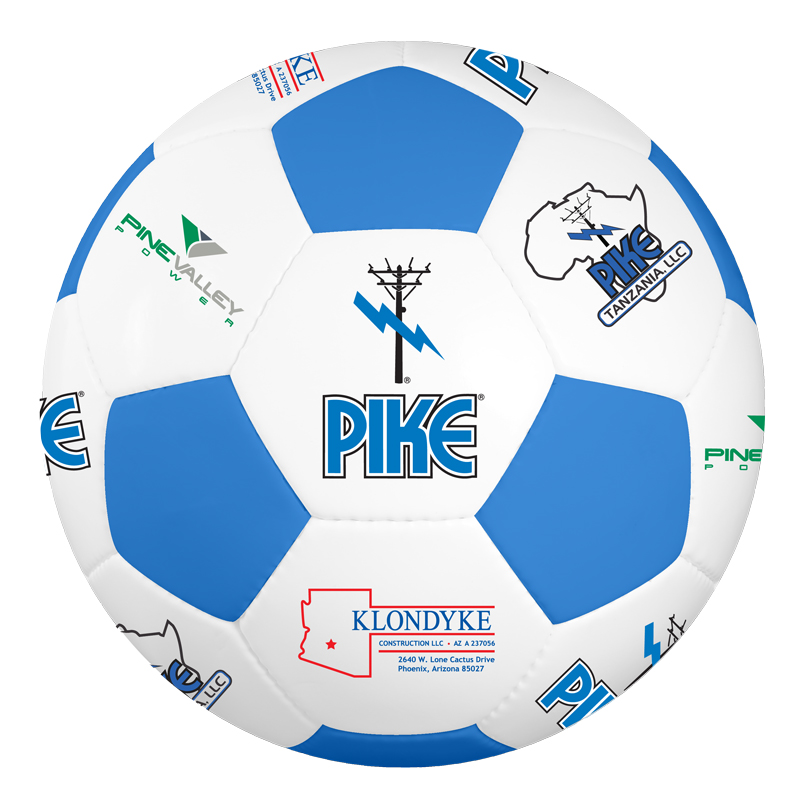
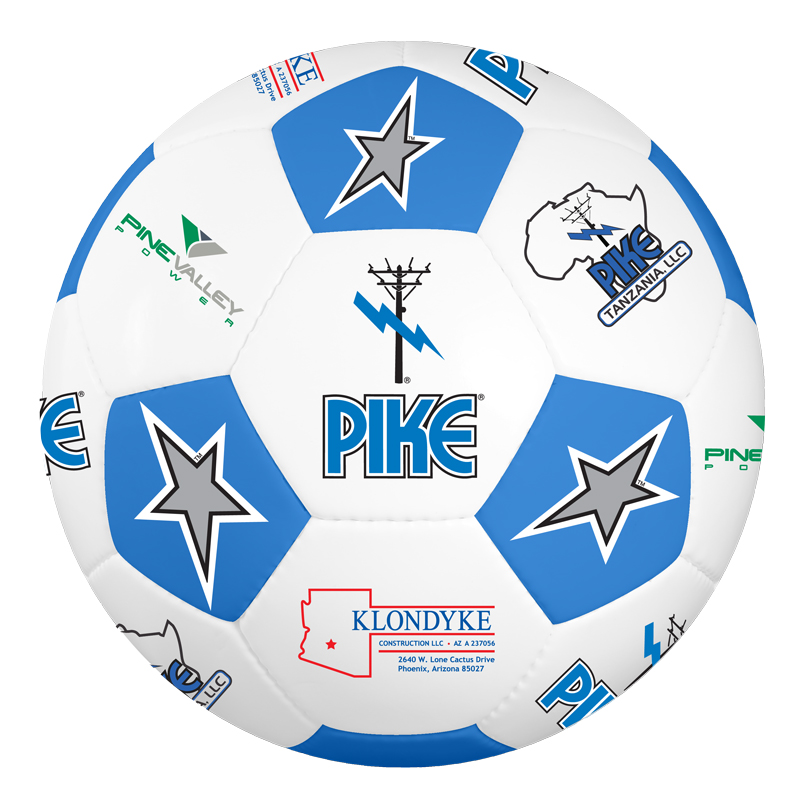
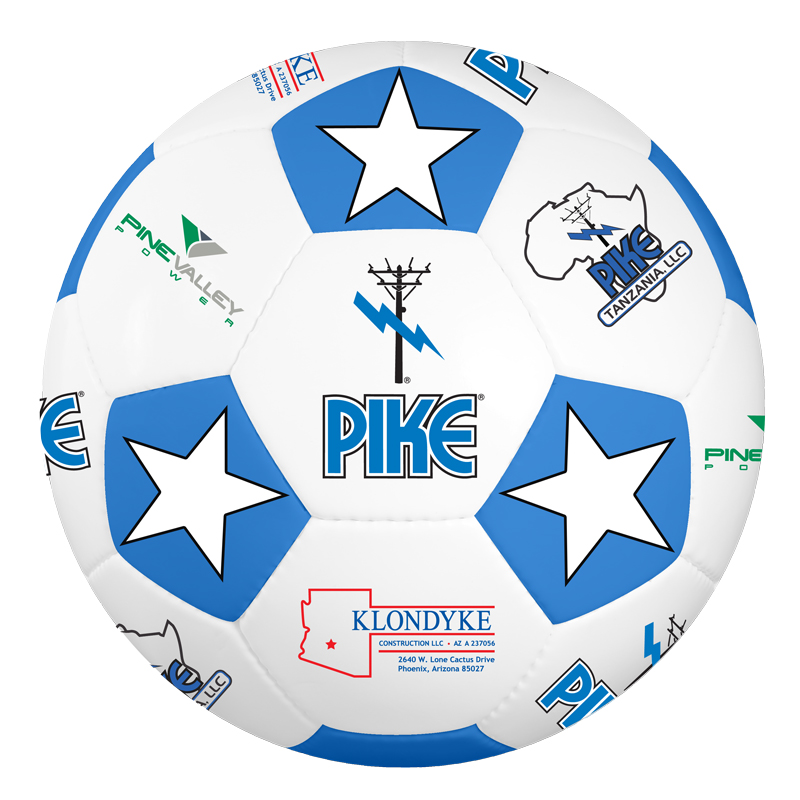
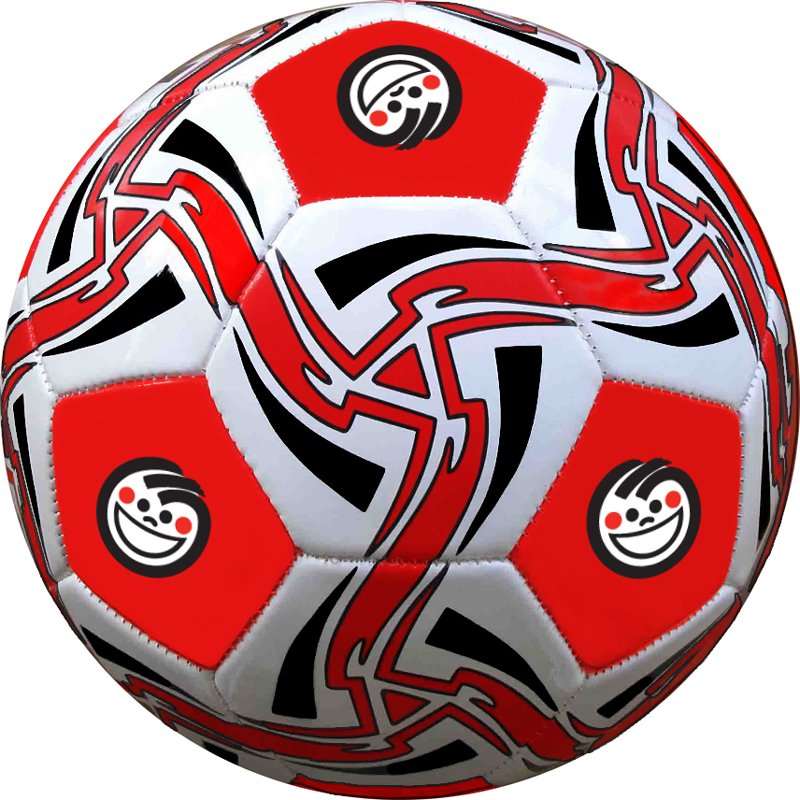
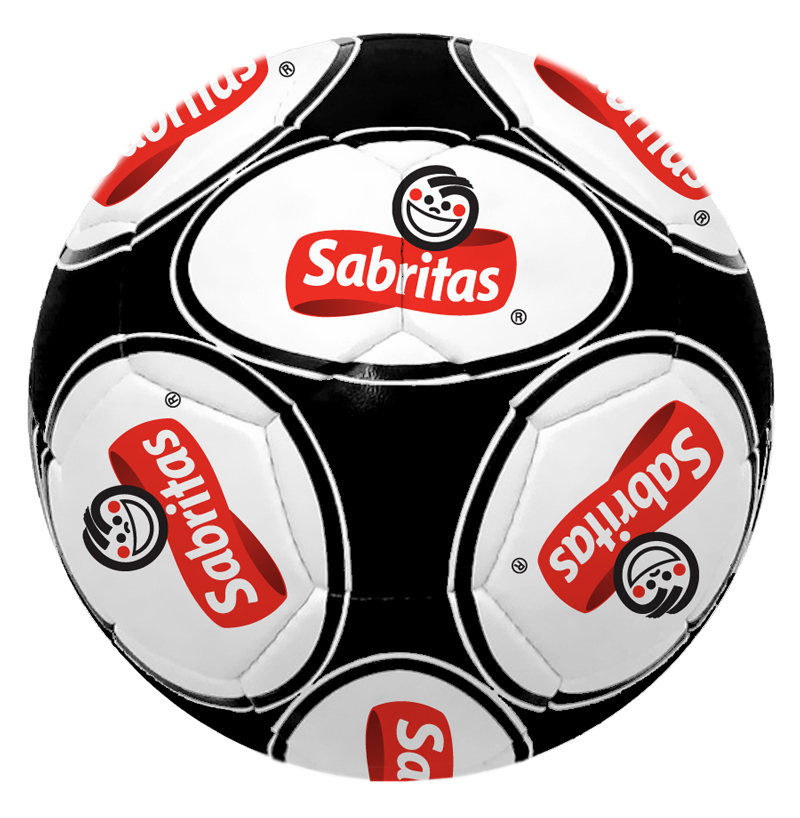
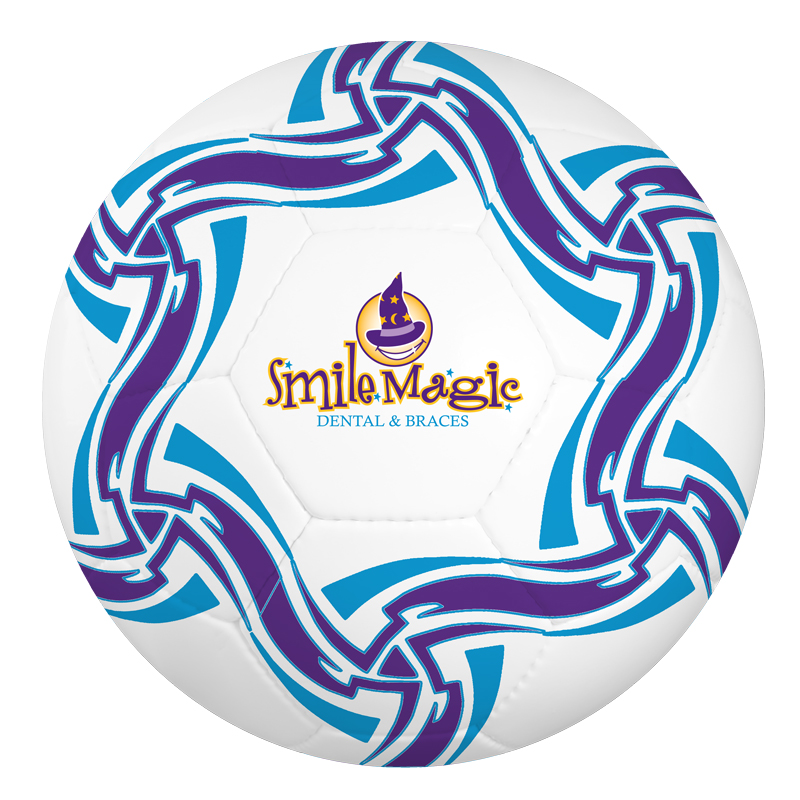
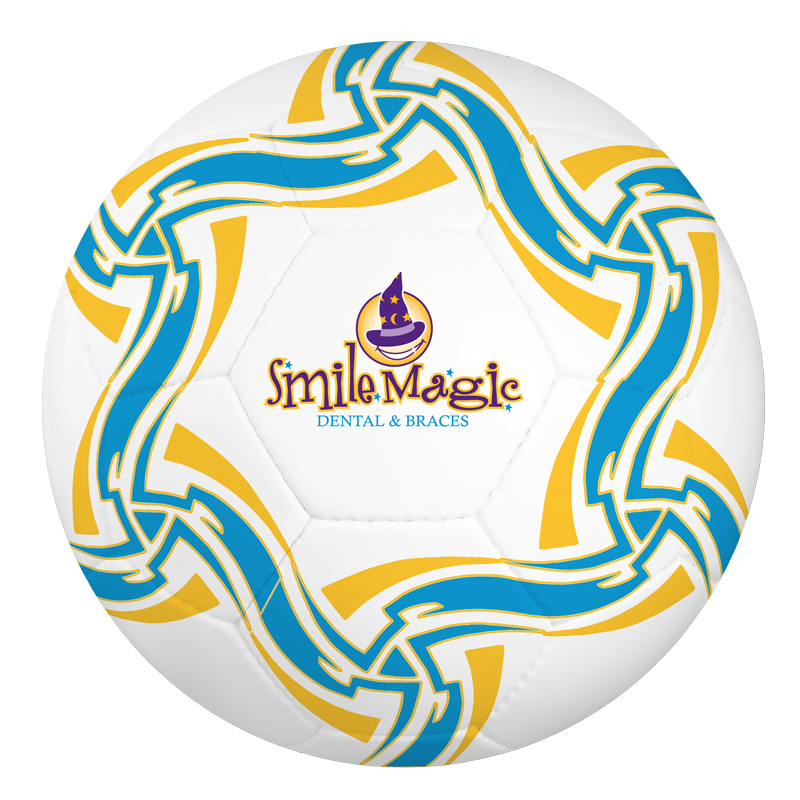
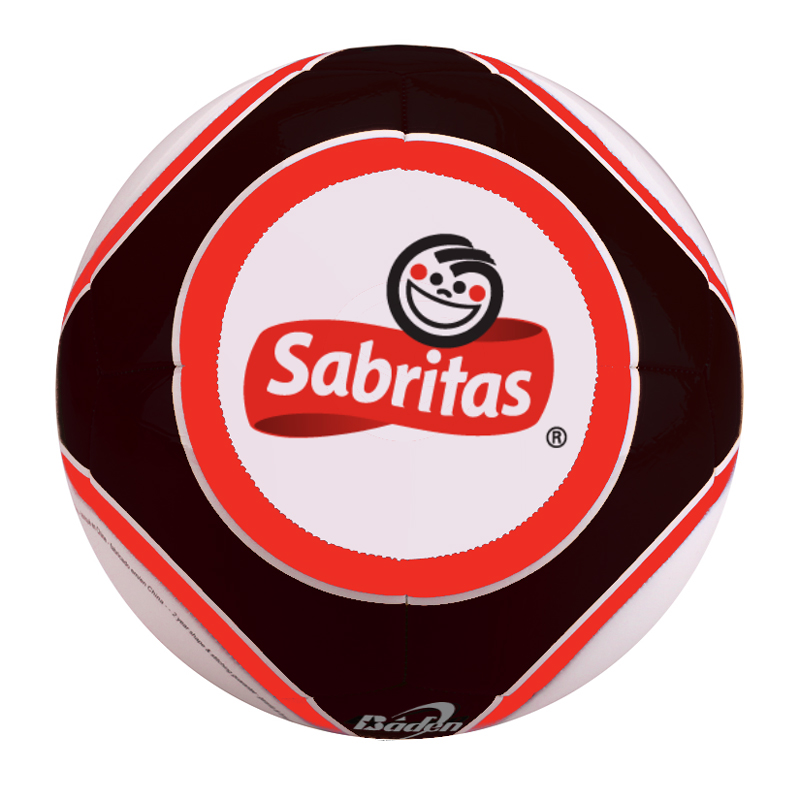
Key Takeaways
This project reinforced that visual design is about far more than aesthetics. Effective design helps people make decisions, communicate ideas, and move projects forward.
It also reminded me that some of the most valuable contributions come from looking beyond your job description. By recognizing a bottleneck and learning enough about another team’s workflow to provide meaningful support, I was able to help sales, marketing, art, and ultimately our customers.
Looking back, this project represents something that’s become a consistent pattern in my career. I enjoy finding opportunities to help beyond the boundaries of my role, especially when I can make life easier for teammates or customers. Sometimes those contributions are highly visible, and other times they simply become part of how work gets done. Both are equally rewarding to me.

