
Researched, illustrated, and wrote consumer-friendly assembly and gameplay instructions that helped thousands of customers confidently set up and enjoy backyard games sold through major retailers.
Project Snapshot
| Organization | Baden Sports |
| Role | Marketing Coordinator |
| Timeframe | 2012 |
| Primary Focus | Technical communication, instructional writing, illustration, consumer documentation |
| Audience | Consumers purchasing backyard games through retail stores and online retailers |
| Deliverables | * Product instruction manuals * Assembly instructions * Gameplay instructions * Court setup diagrams * Parts illustrations * Warranty documentation * Safety information * Glossary of game terminology |
| Tools | * Adobe Illustrator * Microsoft Word * online research |
The Challenge
Our product owner designed an expanding line of backyard games, but every product needed clear instructions that customers could immediately understand after opening the box.
That sounds straightforward until you realize that many of these games have surprisingly inconsistent rules depending on where you look. Different websites described gameplay differently, used conflicting terminology, or assumed readers already understood specialized vocabulary. Simply copying existing rules would have created confusing instructions and a poor customer experience.
The challenge wasn’t just documenting how the games worked. It was translating scattered information into one consistent, beginner-friendly guide that helped customers assemble the product correctly, understand the rules quickly, and start enjoying the game without frustration.
My Approach
I started every project by assuming the reader knew nothing about the game.
Instead of writing for experienced players, I wrote for someone opening the box for the very first time. That perspective influenced every decision I made, from how I organized the document to how I illustrated each component and explained each rule.
The project began with a simple product overview containing photographs and a parts list. Rather than treating that document as the final source of truth, I used it as the foundation for a much more comprehensive set of instructions. I expanded the information through research, created original illustrations, developed assembly sequences, and organized everything into documentation that was written for the end user rather than the product team.
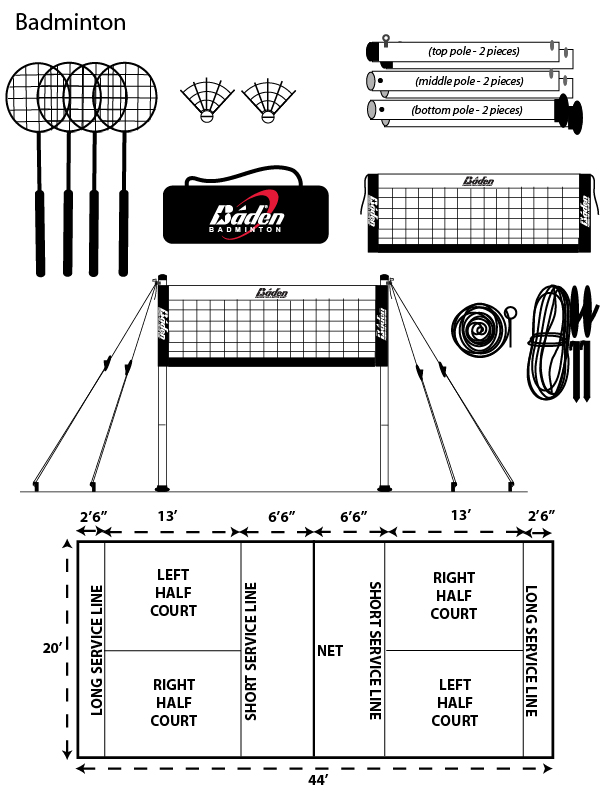
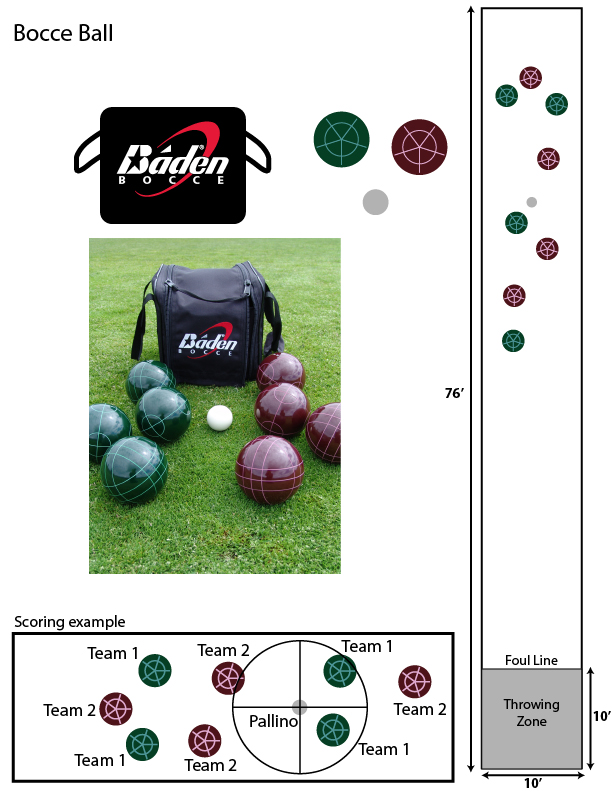
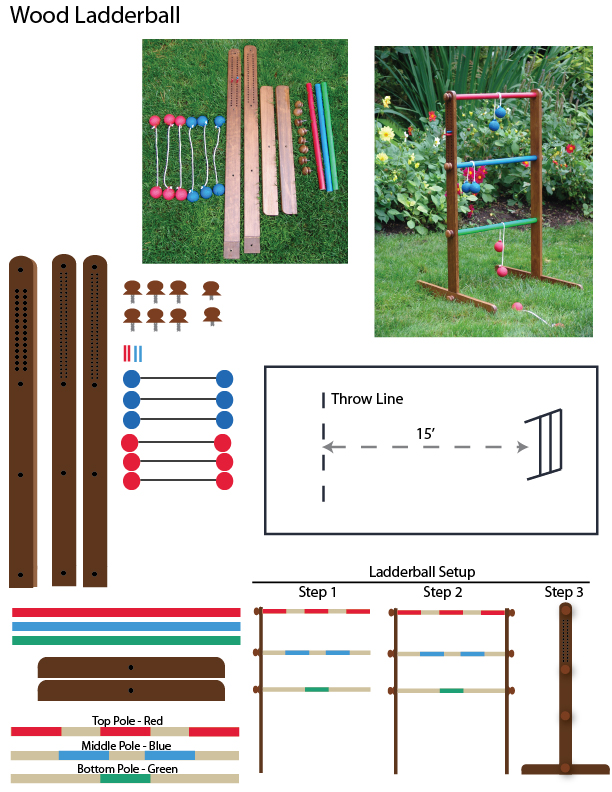
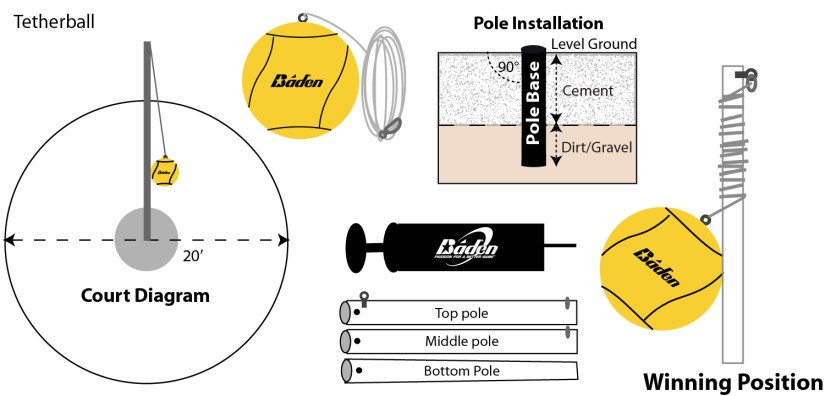
I first recreated every physical component as a clean vector illustration using Adobe Illustrator. Those illustrations became the foundation for the assembly instructions and parts inventory, making it easy for users to identify everything included in the package before they began setup.
Next, I researched multiple sources to compare game rules and terminology. Rather than repeating confusing language, I distilled the information into concise, logical instructions written in plain English. Whenever specialized terminology was necessary, I defined it within the document so users never had to leave the instructions to understand what they were reading.
Throughout the project, my guiding principle was simple: every question a customer might ask should already be answered before they needed to ask it.
What I Created
- Complete instruction manuals for multiple backyard games
- Assembly instructions with step-by-step illustrations
- Illustrated parts inventories
- Court layout and setup diagrams
- Gameplay instructions
- Scoring guides
- Win-condition explanations
- Volleyball terminology glossary
- Warranty documentation
- Product safety information
Results & Impact
- Produced consumer-friendly documentation included with products sold through major national retailers including Amazon, Walmart, and Dick’s Sporting Goods.
- Reduced ambiguity by consolidating inconsistent game rules into clear, standardized instructions.
- Combined illustrations and written instructions so customers could assemble products more confidently.
- Created reusable documentation templates that maintained consistency across multiple product lines.
- Allowed the product owner to focus on new product development while I owned the documentation process.
Although I don’t have formal usability metrics, the documentation became part of every product package and supported thousands of customers purchasing these games through retail and e-commerce channels.
My Process

Observe
I examined every product component, reviewed product photography, and researched how different sources explained each game’s rules. Comparing multiple references quickly revealed where customers were most likely to become confused.
Understand the Goal
The objective wasn’t simply to document the products. It was to help first-time users successfully assemble the game, understand the rules, and start playing with confidence.
Remove the Friction
I simplified technical language, defined unfamiliar terminology, illustrated every important component, and organized information into a logical sequence that matched the customer’s natural workflow.
Design for People
I assumed no prior knowledge. Every illustration, diagram, and instruction was designed to answer questions before users encountered them, reducing frustration during setup and gameplay.
Measure Adoption
Although formal analytics weren’t available, the documentation became the standard instructions included with multiple backyard game products distributed through national retailers.
Refine & Improve
Each new instruction manual benefited from lessons learned on previous products. As I documented additional games, I refined the layout, illustration style, and writing approach to create a more consistent experience across the entire product line.
Key Takeaways
- Good technical writing begins with understanding what the reader doesn’t know.
- Visual communication and written communication are most effective when designed together.
- Clear documentation removes friction before users experience it.
- Research is only valuable if it can be translated into language that everyday users understand.
- Consistency across documentation builds confidence and improves the overall product experience.
- Technical communication isn’t just about accuracy. It’s about helping people succeed.
From Product Concept to Consumer Documentation
One of the things I enjoy most about technical communication is taking incomplete or highly technical information and transforming it into documentation that anyone can understand.
For this project, I wasn’t handed finished documentation to polish. I started with a simple product overview that included photographs of the components, a parts list, and basic product information. From that foundation, I researched the rules for each game, created custom illustrations, designed assembly diagrams, and wrote the complete instructions that were ultimately included with the finished products.
Seeing the starting point alongside the finished documentation demonstrates how technical communicators add value by organizing information, filling knowledge gaps, and designing documentation around the needs of the end user.
Project Evolution
1. Product information provided
Initial product information provided by the product owner, including component photos and basic product details.
2. Parts illustrations & court setup diagrams
I recreated every component as a clean vector illustration to make identifying parts much easier during assembly. For court setup diagrams, I researched official dimensions and created diagrams that simplified setup. The final version would be black and white, so I ensured the colors would translate as expected.
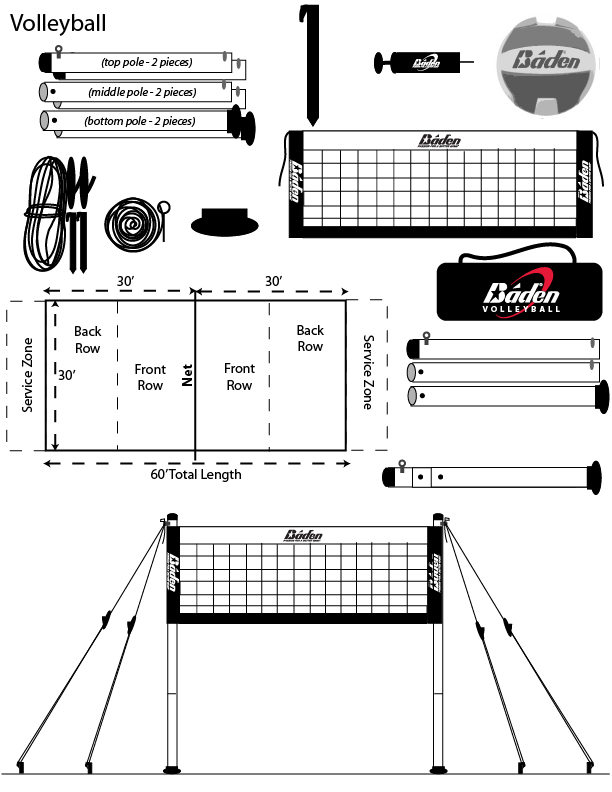
3. Final instruction guides
Complete consumer documentation combining illustrations, assembly instructions, gameplay, scoring, glossary, and safety information.

